Cribs as Work of Art in Theoule
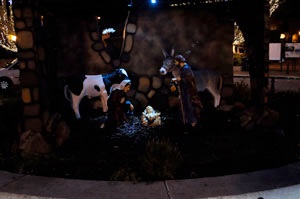
Way of Cribs in Théoule sur Mer
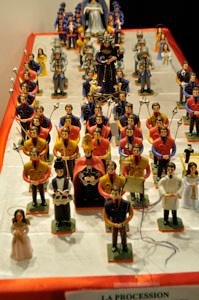
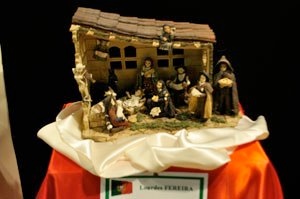
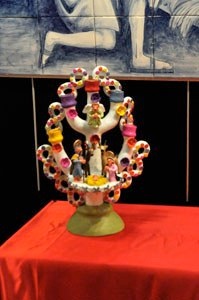
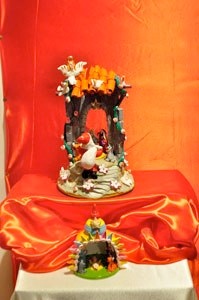
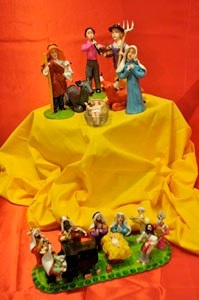
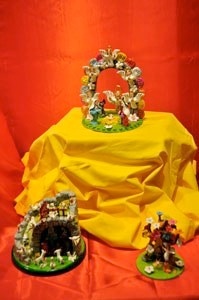
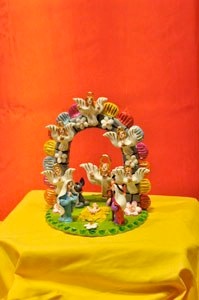
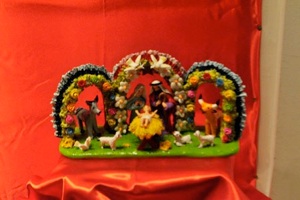
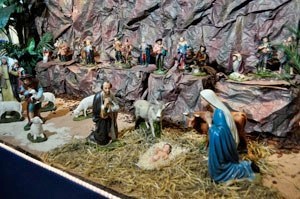
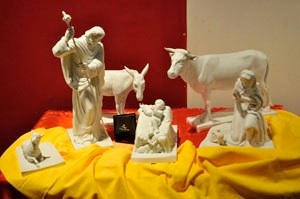
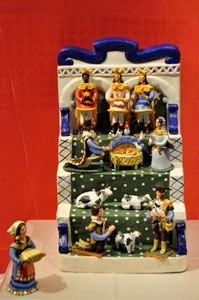
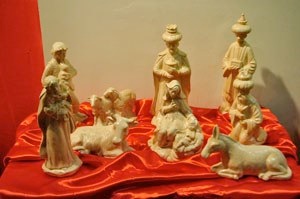
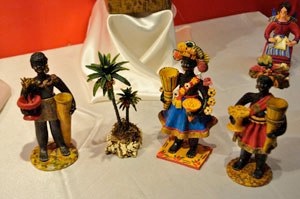
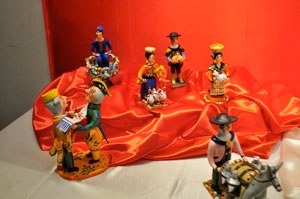
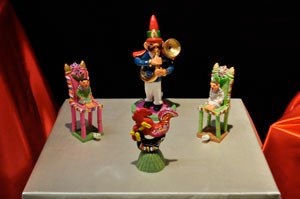
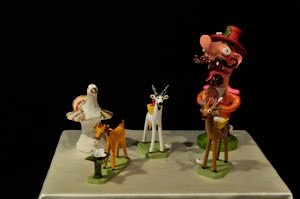
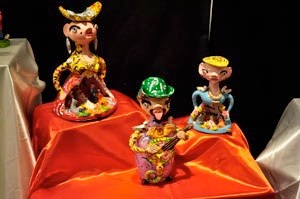
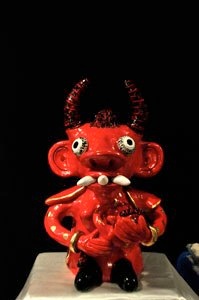
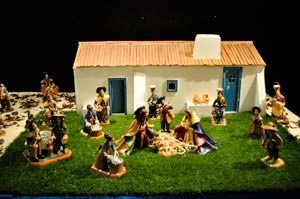
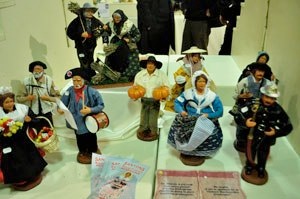
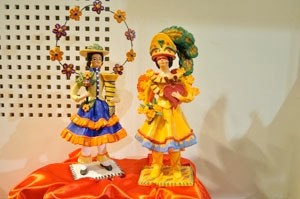
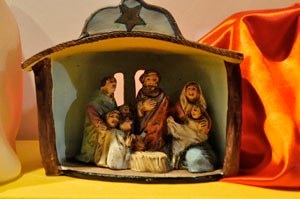
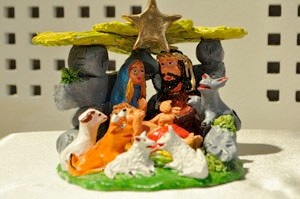
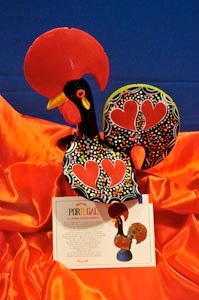
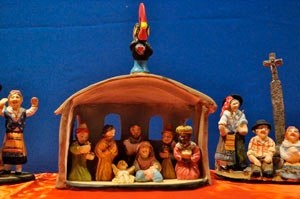
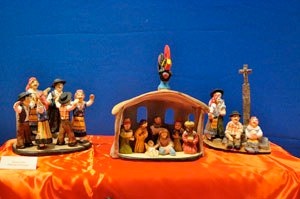
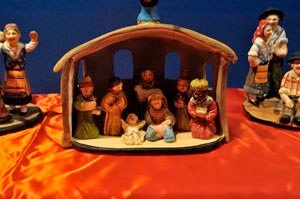
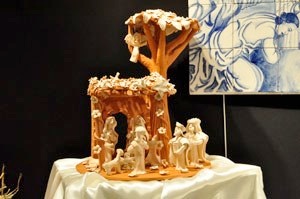
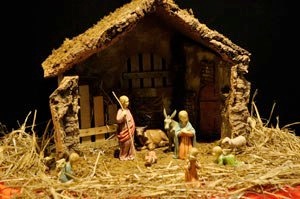
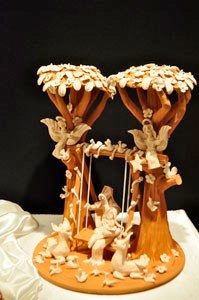
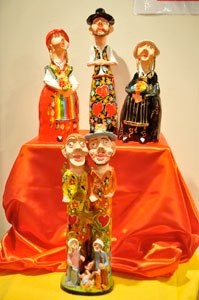
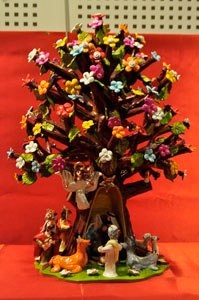
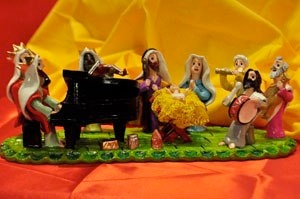
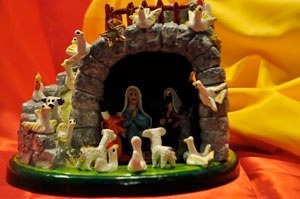
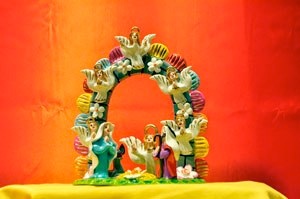
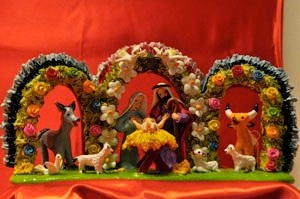
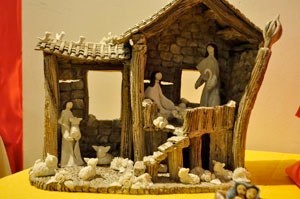
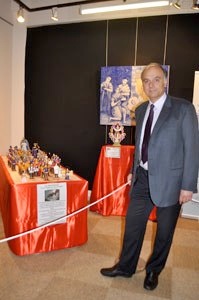
This year, Daniel Mansanti, Mayor of Théoule sur Mer wished to celebrate the 10th anniversary of the Way of Cribs with an outstanding exhibition of nativity scenes from Portugal's museums made by the most famous Portuguese families. Part of this exhibition comes directly from Mrs Maria Cavaco Silva's personal collection, wife of the President of the Republic of Portugal, Mr. Anibal Cavaco Silva.
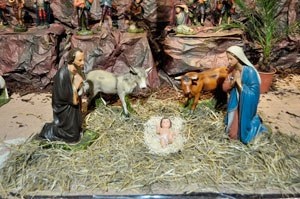
The word "crèche" (crib) originally refers to the animals feeding trough in which the Virgin Mary placed Jesus at his birth. In 1223, Saint Francis of Assisi organized the first live Nativity scene before celebrating the Christmas mass. Come from Italy, this initiative has spread throughout Europe and later worldwide. But at the time of the Revolution in France, the tradition is in danger: Midnight Masses are prohibited as well as public performances of religious scenes and with them, cribs in churches. It was then that appears the making and trading of small characters, which will be called "santons", representing the crib in families. Centuries pass and cribs are more and more based on local life, evoking typical characters of regions and villages.
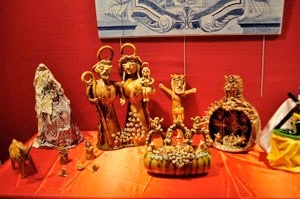
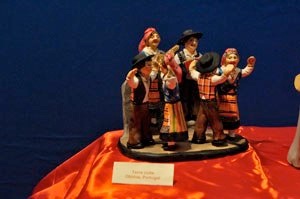
In Portugal, the nativity scene has long been reserved for nuns in convents and the nobles of the court. It was performed almost exclusively in monuments and currently, the best pieces are part of the great monuments and churches. National tradition established in 1930, in a specific context: that of the new Salazar state, whose values were "God - Family - Fatherland." The crib expresses the values of a peasant society. It allows the development of local crafts that the state wants to establish as corporate business model. Cities where clay is worked are put in the spotlight, the crib becomes a mode of expression, a reflection of identity. It is not only a religious object, but a work of art, sometimes surprising, whose tradition is passed from family to family.
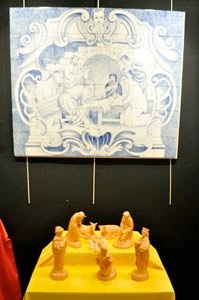
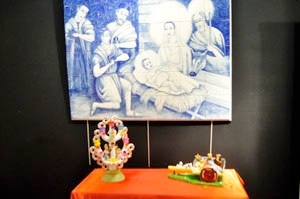
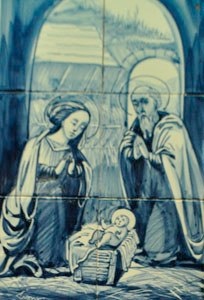
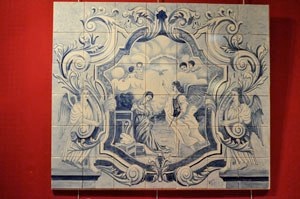
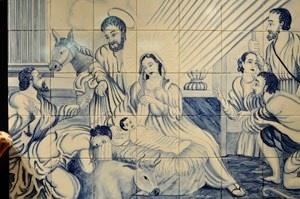
The Azulejos are the symbol of Portugal. The azulejos adorn the facades of houses, villas, parks and gardens... All churches exhibit "Tapetes", azulejos tapestries and frescoes of religious inspiration. Thanks to a technique that came from Italy in the18th century, the Majolica, the earthenware can be painted before firing, and beautiful patterns be drawn.
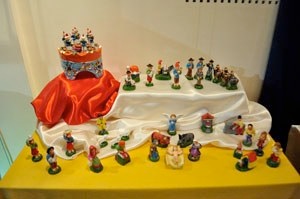
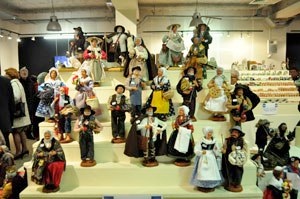
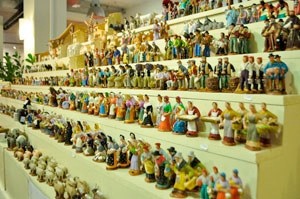
During the exhibition, an exhibition and sale of over 10 000 santons (figures) will take place.
From December 3 to January 8, Espace Culturel - Avenue Charles Dahon - 10:00 am to 12:00 am & 2:00 pm to 6:00 pm