

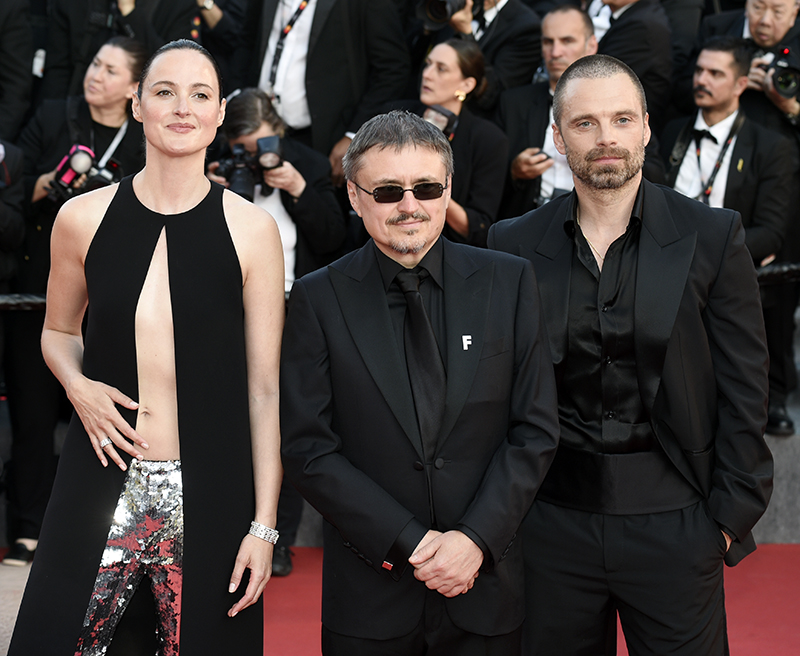
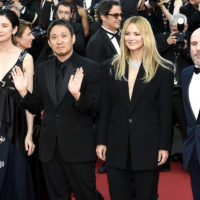
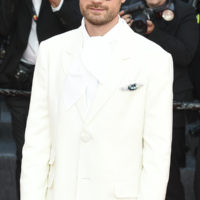
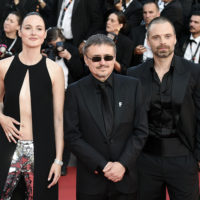
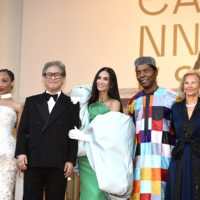
Cristian Mungiu (centre) ©YesICannes.com
Chaired by South Korean director Park Chan-wook, the Jury of the 79th Cannes Film Festival has unveiled the winners, awarding the Palme d’Or to Fjord by director Cristian Mungiu.
©YesICannes.com
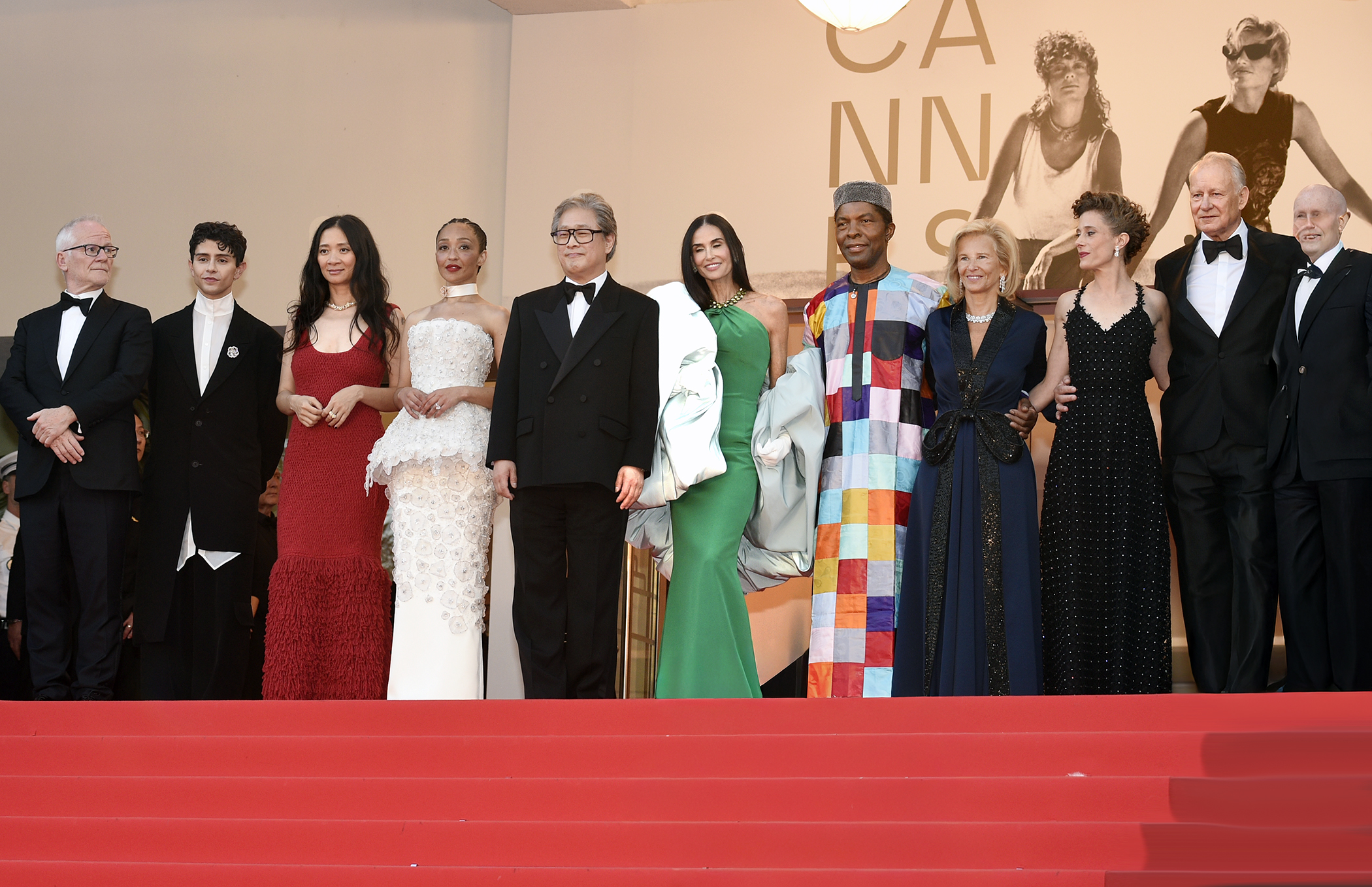
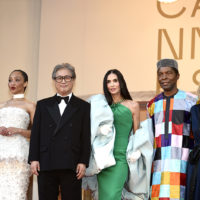
Cannes Film Festival 2026: During the Closing Ceremony, the Competition Jury, presided over by South Korean director, screenwriter, and producer Park Chan-wook, unveiled the awards for the 22 films presented in Competition at the 79th edition of the world’s greatest cultural event. The Jury President was assisted in selecting the winners by American actress and producer Demi Moore, Irish-Ethiopian actress and producer Ruth Negga, Belgian director and screenwriter Laura Wandel, Chinese director and screenwriter Chloé Zhao, Chilean director and screenwriter Diego Céspedes, Ivorian-American actor Isaach De Bankolé, Scottish screenwriter Paul Laverty, and Swedish actor Stellan Skarsgård.
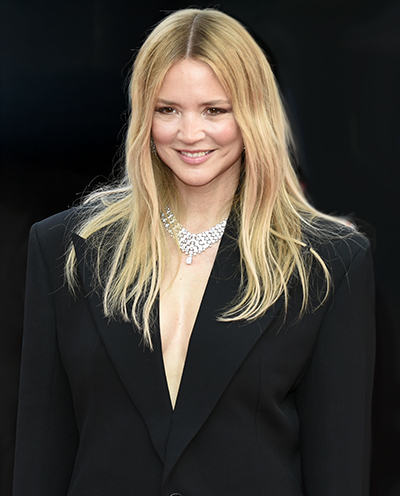
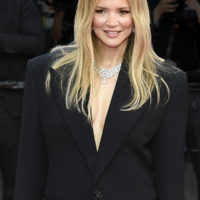
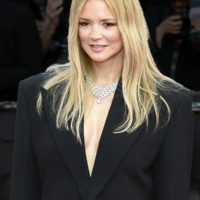
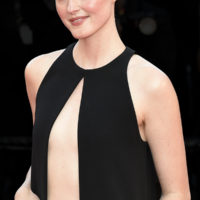
Virginie Efira ©YesICannes.com
Cristian Mungiu, a Two-Time Palme d’Or Winner
After ten days of competition among twenty-two films, marked by moments of deep emotion, the Closing Ceremony – hosted by Franco-Malian actress Eye Haïdara – welcomed numerous prominent figures from the film and entertainment industries. The entire awards ceremony was broadcast live on France 2 and Brut. As is customary, the results defied the predictions often speculated upon at the end of the Festival: the Palme d’Or was awarded to Fjord by director Cristian Mungiu, now a two-time winner at Cannes.
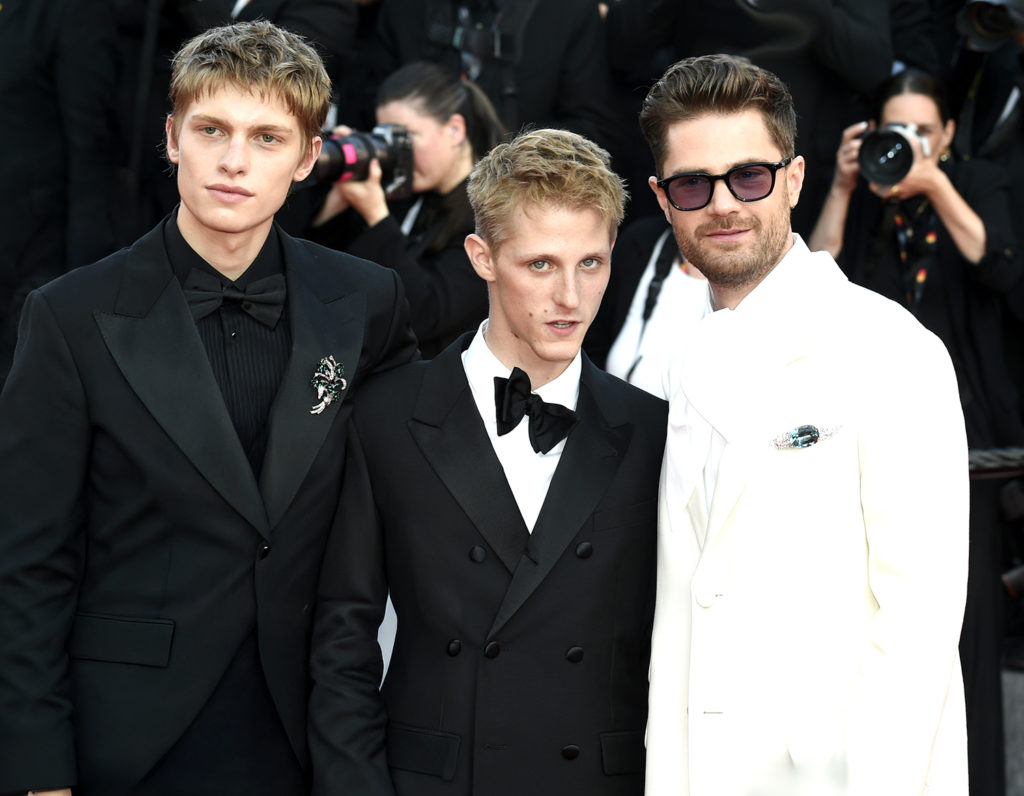
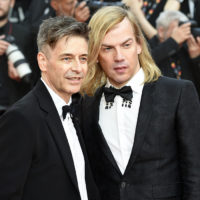
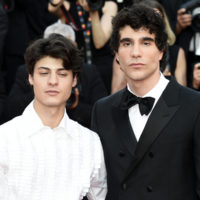
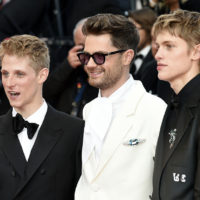
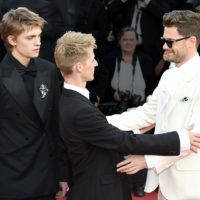
Emmanuel Macchia et Valentin Campagne ©YesICannes.com
Honorary Palme d’Or for Barbra Streisand
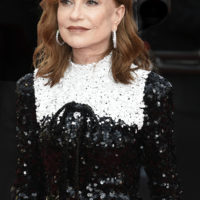
During the ceremony, an Honorary Palme d’Or was awarded to American singer and actress Barbra Streisand, who was unfortunately unable to attend in person. At her request, Isabelle Huppert presented the award and delivered a heartfelt tribute to her career.
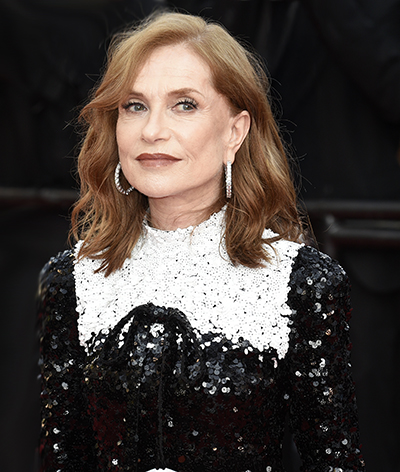
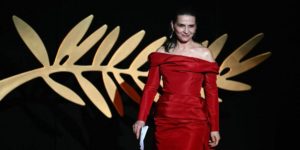
Isabelle Huppert ©YesICannes.com
Caméra d’Or for Ben’imana
The evening also saw the presence of Carla Simón, President of the Short Film Jury, who awarded the Short Film Palme d’Or to Para los contrincantes by Federico Luis. Monia Chokri, President of the Caméra d’Or Jury, was also present to award the prize for the best first feature film presented across all Cannes selections, which went to Ben’imana by Marie-Clémentine Dusabejambo.
©YesICannes.com
Cristian Mungiu’s Fjord
Set amidst the mineral silence of Norwegian landscapes, Cristian Mungiu orchestrates Fjord, one of the most tense and elegant dramas in the Official Competition. Nineteen years after winning the Palme d’Or for 4 Months, 3 Weeks and 2 Days, the Romanian filmmaker returns to the Croisette with a work of hypnotic coldness that dissects the invisible fractures between tradition, integration, and societal judgment. Settled in an isolated village on the edge of a fjord, the Gheorghius, a deeply religious Romanian-Norwegian couple, seem to have found balance alongside their neighbors, the Halberg family. But when teachers discover bruises on their eldest daughter, the fragile veneer of this Nordic coexistence begins to crack. True to his signature moral tension, Mungiu transforms an apparently mundane event into a dizzying collective trial where everyone becomes the other’s judge. Behind the sublime landscapes bathed in icy light, Fjord unearths a muted, almost invisible violence fueled by cultural differences, religion, and contemporary anxieties regarding family upbringing.
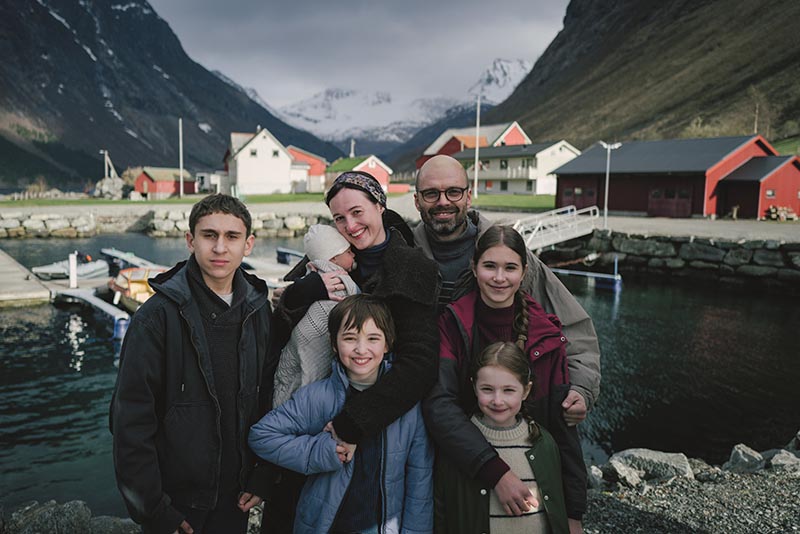
Fjord ©DR
A Cinema of Doubt and Ambiguity
In Cannes, many view Fjord as the natural continuation of Mungiu’s body of work: a cinema of doubt and ambiguity, where no single truth completely prevails. The director recaptures the core strength he has shown since Occident, Beyond the Hills, or Graduation: observing how social systems gradually crush the most vulnerable. The presence of Renate Reinsve, a global breakout star since The Worst Person in the World, brings a quiet yet magnetic emotional intensity. With minimalist direction and long silences fraught with anxiety, Fjord explores how supposedly open modern societies can plunge into suspicion and exclusion. On the Croisette, the film impresses as much with its formal mastery as with its capacity to transform an intimate conflict into a universal reflection on family, faith, and the gaze communities cast upon those they still perceive as outsiders.
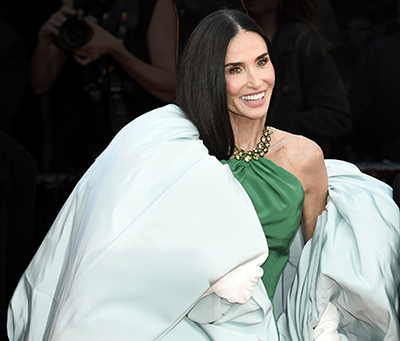
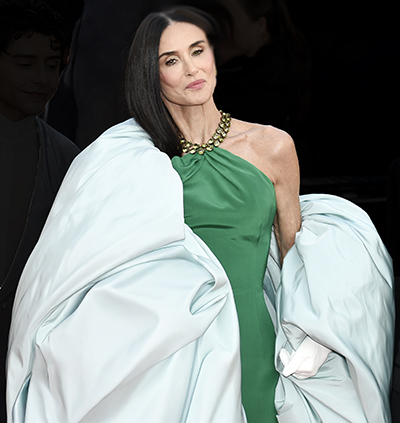
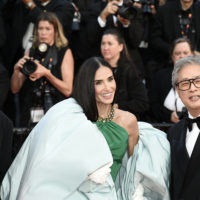
Demi Moore ©YesICannes.com
Minimalist direction
With minimalist direction and long silences fraught with anxiety, Fjord explores how supposedly open modern societies can plunge into suspicion and exclusion. On the Croisette, the film impresses as much with its formal mastery as with its capacity to transform an intimate conflict into a universal reflection on family, faith, and the gaze communities cast upon those they still perceive as outsiders.
©YesICannes.com
Le palmarès du 79e Festival de Cannes
The 79th Cannes Film Festival Awards
Palme d’or: Fjord by Cristian Mungiu
Grand Prix: Minotaur by Andrei Zvyagintsev
Jury Prize: Das Geträumte Abenteuer (The Dreamed Adventure) by Valeska Grisebach
Best Director: La Bola Negra by Javier Ambrossi and Javier Calvo (Los Javis) and Fatherland by Paweł Pawlikowski
Best Actor: Emmanuel Macchia and Valentin Campagne for Coward
Best Actress: Virginie Efira and Tao Okamoto for Soudain
Best Screenplay: Notre Salut by Emmanuel Marre
Caméra d’or: Ben’imana by Marie-Clémentine Dusabejambo
Short Film Palme d’or: Para los contrincantes by Federico Luis
Honorary Palmes: Peter Jackson, John Travolta, Barbra Streisand
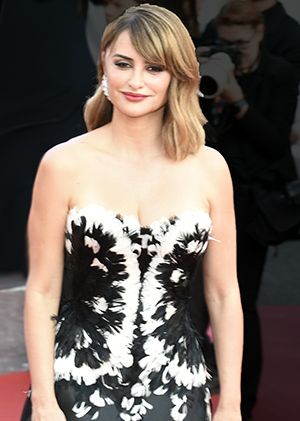
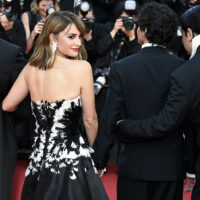
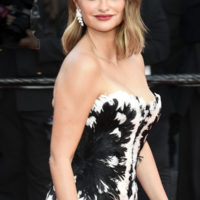
Pénélope Cruz ©YesICannes.com
Un Certain Regard Awards
Jury Prize: Les éléphants dans la brume by Abinash Bikram Shah (1st film)
Special Jury Prize: Le Corset by Louis Clichy
Best Actor: Bradley Fiomona Dembeasset in Congo Boy
Best Actresses: Marina de Tavira, Daniela Marin Navarro, Mariangel Villegas in Siempre soy tu animal materno
©YesICannes.com
Prizes presentation
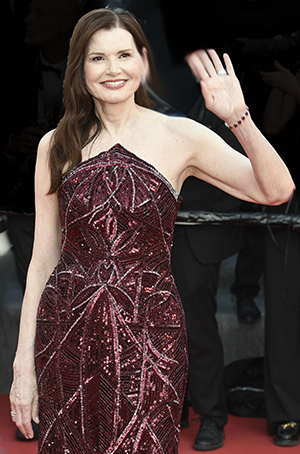
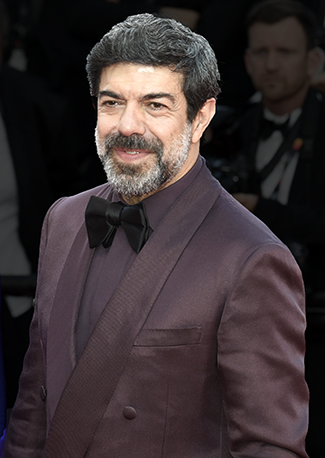
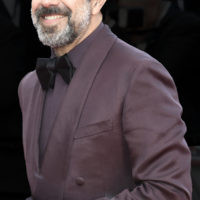
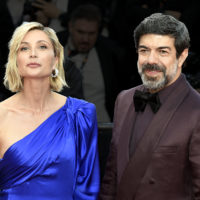
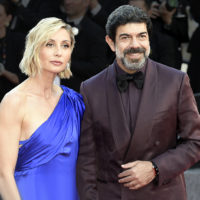
The awards were presented by Geena Davis, Xavier Dolan, Pierfrancesco Favino, Gael García Bernal, Nadine Labaki, and Zoe Saldaña. The Palme d’or of the 79th Cannes Film Festival was presented by Scottish actress Tilda Swinton.
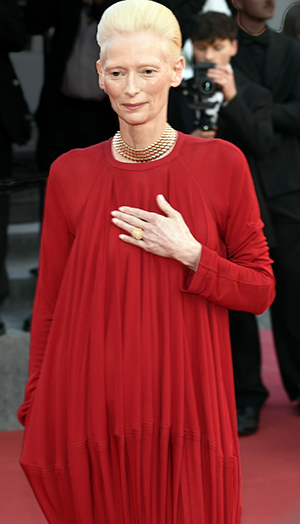
©YesICannes.com
Best Immersive Work Prize
For its third edition, the Immersive Competition of the 79th Cannes Film Festival – highlighting creations exploring the potential of spatial computing and artificial intelligence in storytelling – was held at the Hôtel Carlton. The official selection included 9 works in competition from 8 countries. The Jury for the Immersive Competition awarded the Prize for Best Immersive Work to Katàbasis, created by Ugo Arsac. Chaired by French-Spanish artistic director Blanca Li, the jury included French director Céline Tricart, Dutch composer and director Michel van der Aa, English director and producer Mary Matheson, and Taiwanese director Hsin-Chien Huang. The Jury also awarded a Special Mention to The Black Mirror Experience, created by David Bardos and Damià Ferràndiz.
©YesICannes.com
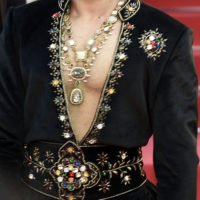
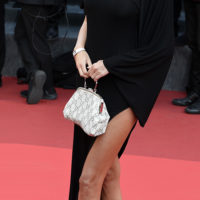
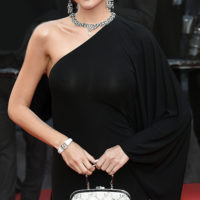
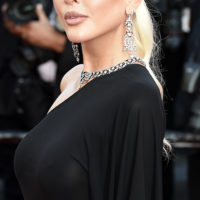
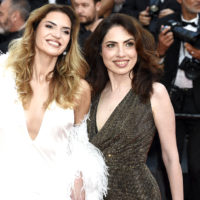
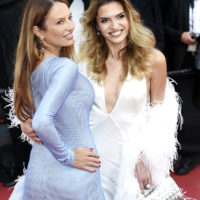
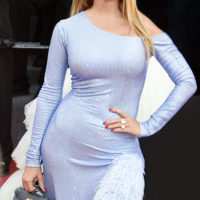
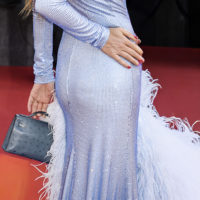
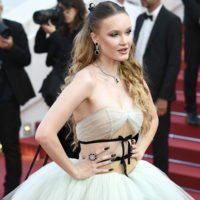
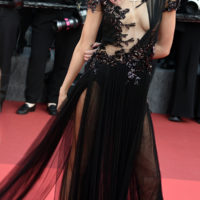
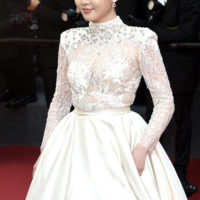
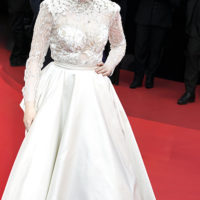
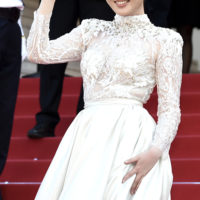
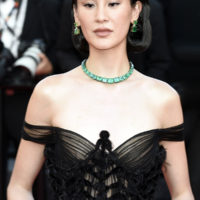
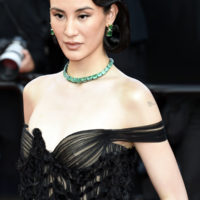
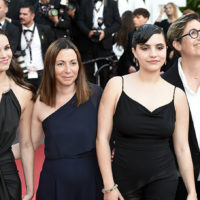
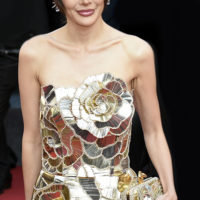
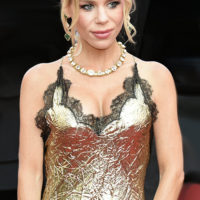
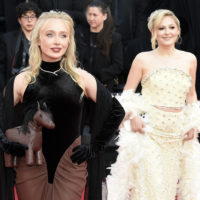
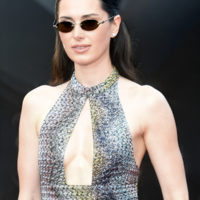
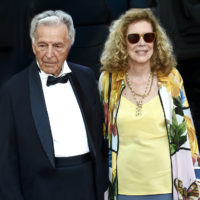
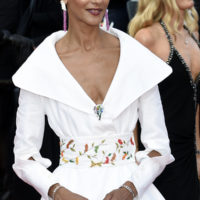
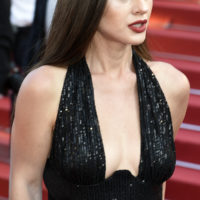
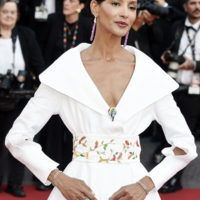
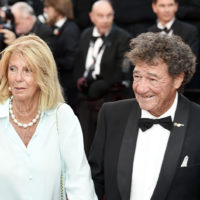
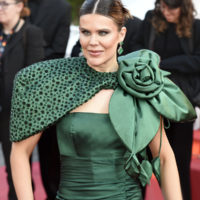
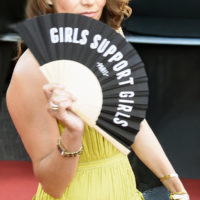
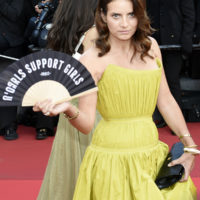
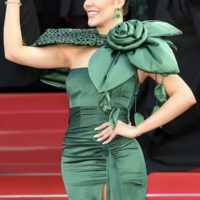
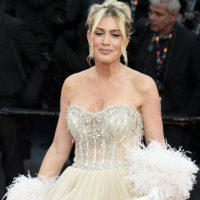
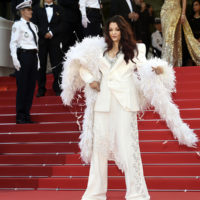
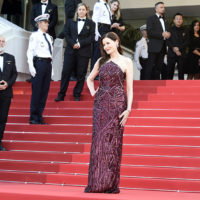
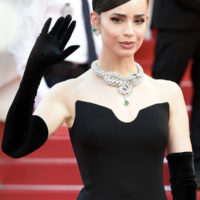
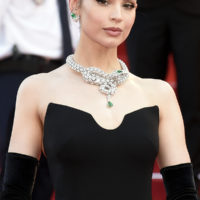
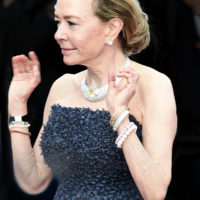
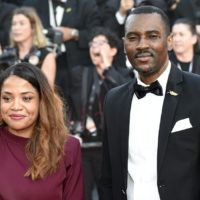
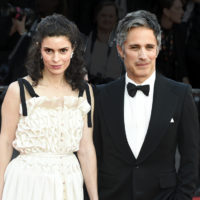
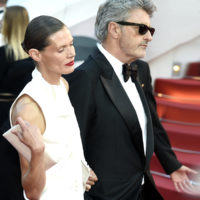
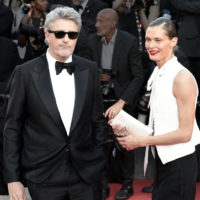
La Montée des Marches (Red Carpet) for Closing Ceremony of the 79th Cannes Film Festival
Click to enlarge – ©YesICannes.com – All rights reserved
























Recent Comments