

©YesICannes.com
Kōji Fukada’s Nagi Notes (Quelques jours à Nagi) launches the race for the 2026 Cannes Film Festival’s Palme d’Or, followed by Charline Bourgeois-Tacquet’s La Vie d’Une Femme (A Woman’s Life).
Cannes Film Festival 2026: Following yesterday’s opening with Pierre Salvadori’s The Electric Kiss, the 79th edition of the Cannes Film Festival saw the Official Competition open with Kōji Fukada’s Nagi Notes. It is the first of three Japanese films presented in competition this year—a historic first for the festival. It is also a milestone for Fukada himself who, despite being a Croisette regular for over a decade, enters the main competition for the very first time. Representing the first French entry in the race, Charline Bourgeois-Tacquet presented her second feature, A Woman’s Life, starring Léa Drucker and Mélanie Thierry, following her 2021 debut Anaïs in Love, which was featured as a Special Screening.
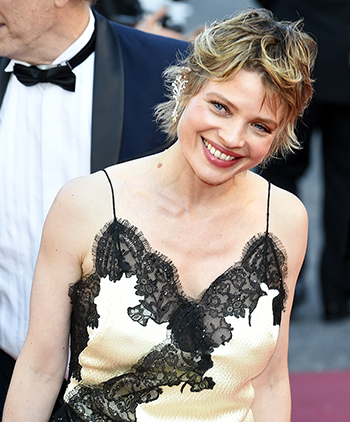
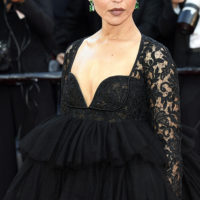
Mélanie Thierry ©YesICannes.com
A Muted and Deeply Human Emotion
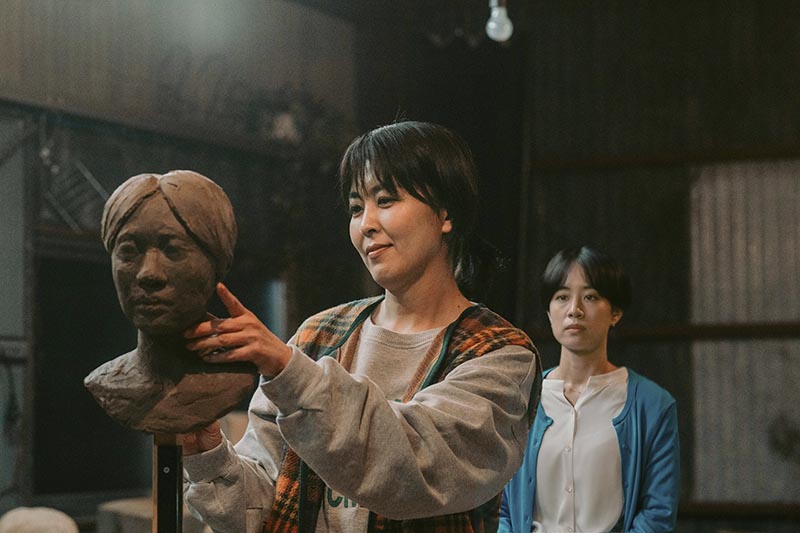
Set in the almost surreal calm of the Japanese mountains, Kōji Fukada delivers Nagi Notes, a work of rare delicacy presented in Competition. Adapted from Oriza Hirata’s play Tokyo Notes, the film follows Yuri, a divorced architect played by Shizuka Ishibashi, as she reunites with her former sister-in-law Yoriko, a sculptor portrayed by Takako Matsu. In the suspended village of Nagi, days seem to stretch beyond time; glances replace words, and gestures become confidences. Fukada films silence the way others stage major upheavals, allowing a muted and profoundly human emotion to emerge.
©2026 Nagi Notes Partners (Star Sands/Hassaku Labds/Wonderstruck)/Survivance/Momo Film Co
A Chronicler of Intimate Fissures
A Cannes regular since Harmonium (which won the Jury Prize in Un Certain Regard in 2016), Kōji Fukada confirms his talent here as a chronicler of intimate fissures. Drawing inspiration as much from Tokyo Story as from La Belle Noiseuse, the director composes a luminous meditation on time, creation, and the invisible bonds that unite us. Between a peaceful rural setting and affective memory, Nagi Notes envelops the spectator in a melancholic sweetness that may well rank among the most beautiful emotional experiences of this Cannes edition.
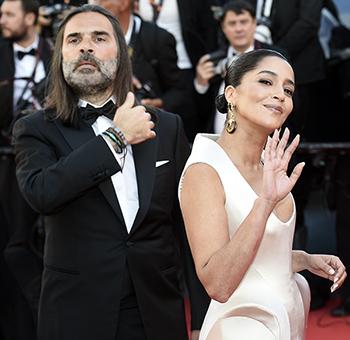
©YesICannes.com
A Woman’s Life: A Delicate Score
After her sensitive revelation at Critics’ Week with Anaïs in Love, Charline Bourgeois-Tacquet joins the Official Competition this year with A Woman’s Life, a second feature of great emotional maturity. Filmed between the Lyon region, Ain, and Savoy, the movie unfolds an intimate drama centered on Gabrielle, a brilliant surgeon played by Léa Drucker. Her meticulously organized existence falters when a novelist, played by Mélanie Thierry, arrives to observe her hospital department for her next book. Alongside Charles Berling, Laurent Capelluto, and Marie-Christine Barrault, the filmmaker composes a delicate score where the turmoil of caregiving, the exhaustion of responsibility, and the sudden surge of desire intertwine with infinite subtlety.
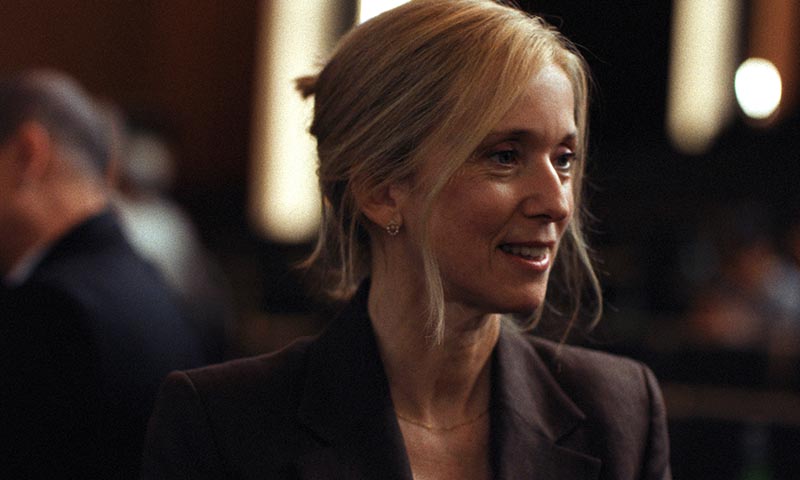
Léa Drucker ©DR
Female Lives Built on Renunciation
With A Woman’s Life, Charline Bourgeois-Tacquet moves away from the solar energy and romantic banter of her previous stories to explore a more hushed, almost clinical territory: that of female lives built on renunciation. In the corridors of a public hospital filmed like a mental labyrinth, Gabrielle moves at a pace that seems to forbid any fragility. Between surgeries, an aging mother, and a marriage that has grown silent, she has learned to contain everything. That is, until the arrival of Frida, a free and instinctive novelist to whom Mélanie Thierry lends a magnetic presence. More than just a meeting, it is an intimate deviation – an imperceptible shift that cracks the perfectly oiled machinery of her existence.
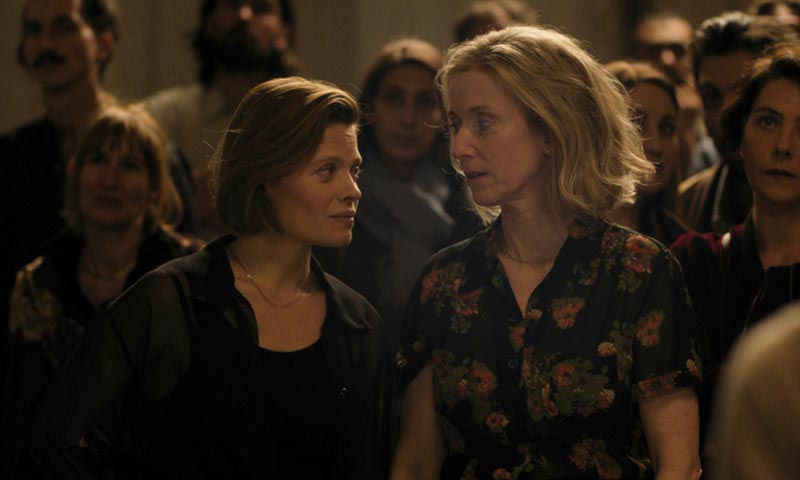
Mélanie Thierry & Léa Drucker ©DR
Minimalism and Zones of Silence
Where many would have constructed a sentimental melodrama, Bourgeois-Tacquet chooses instead minimalism and zones of silence. The director captures tiny gestures – a suspended gaze, ill-concealed fatigue, a breath held before entering the operating room – to tell the story of the contemporary exhaustion of women who carry everything without ever claiming space for themselves. Faced with a cast of rare elegance, including Charles Berling and Marie-Christine Barrault, Léa Drucker impresses with her interiorized, almost opaque performance, which gradually lets the underlying turmoil rise to the surface. Part hospital chronicle, part romantic portrait, and a reflection on late-blooming desire, A Woman’s Life stands out as one of the most sensitive and unexpected French offerings in this Cannes selection.
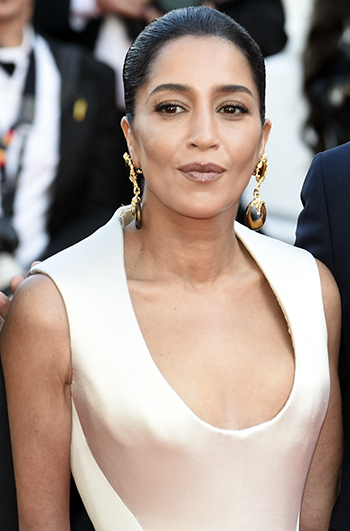
©YesICannes.com
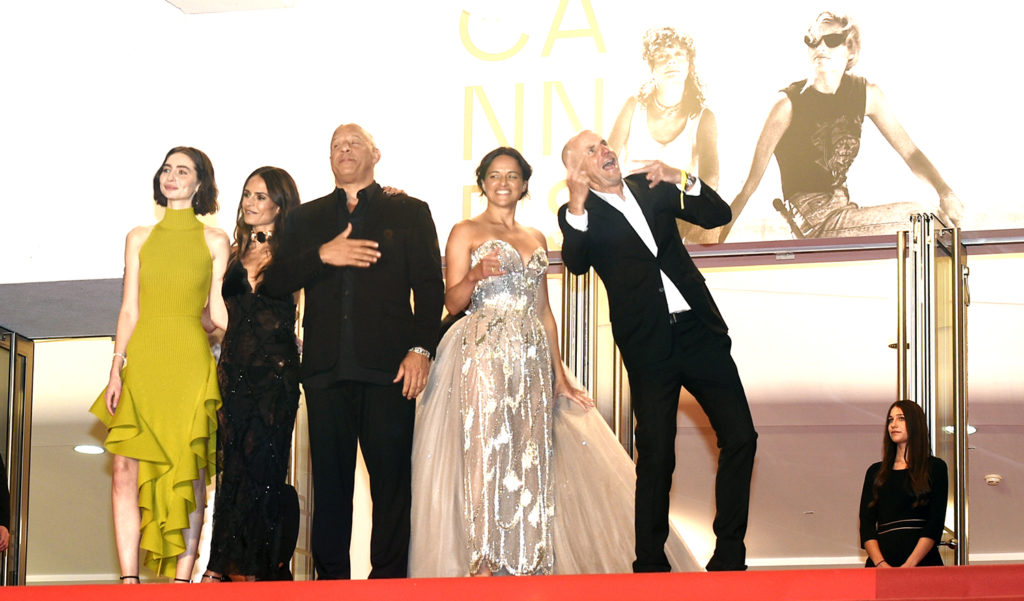
©YesICannes.com
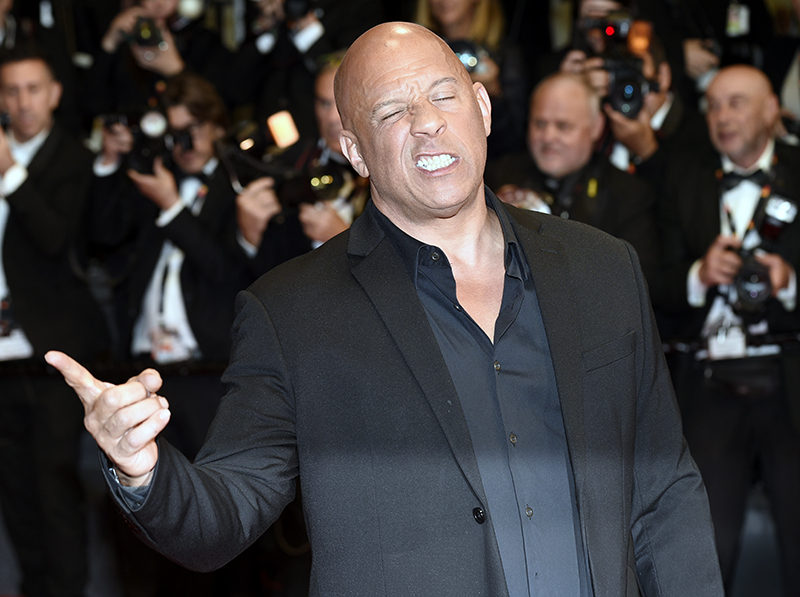
©YesICannes.com
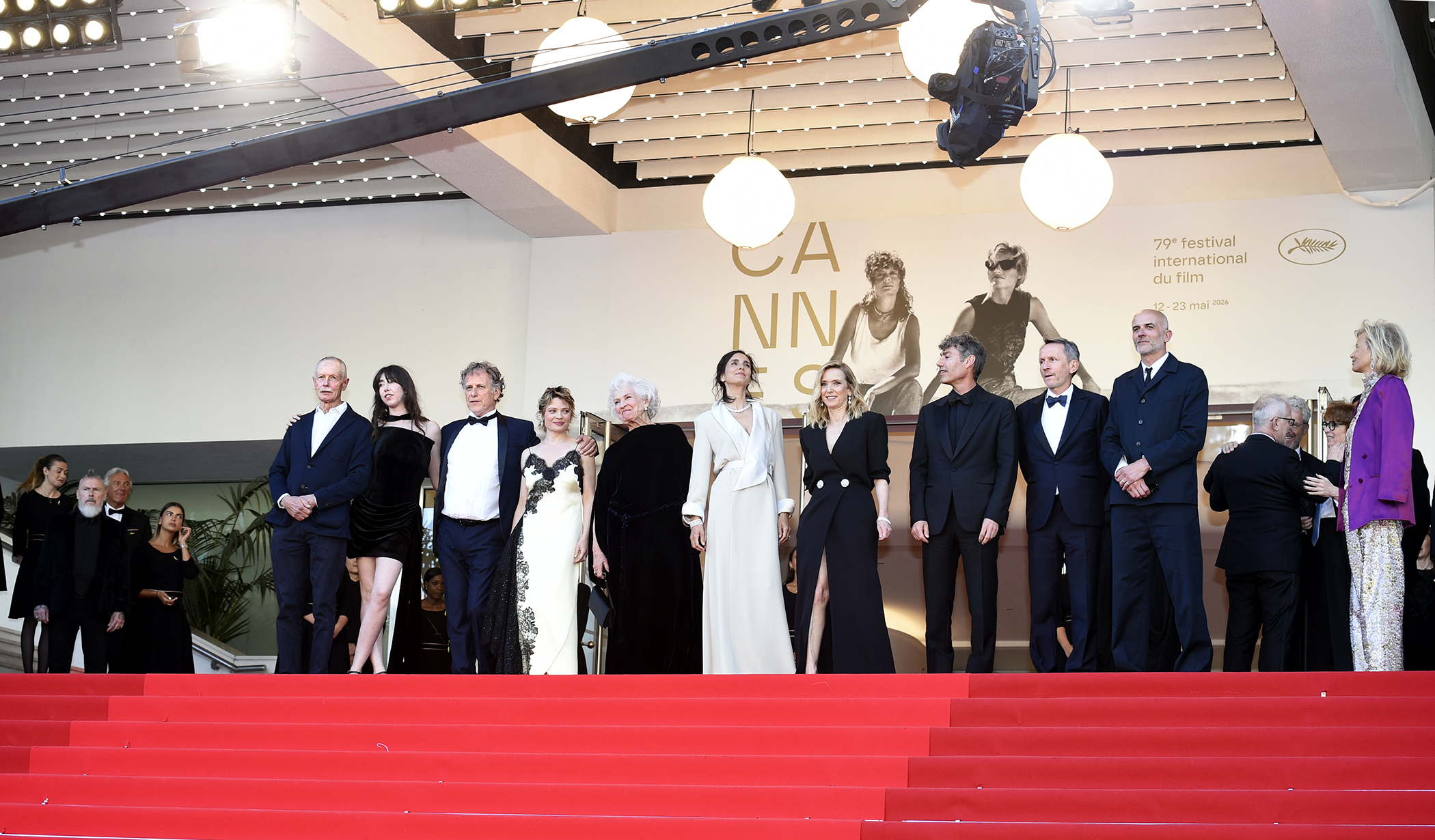
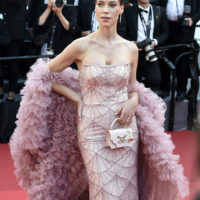
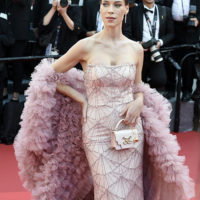
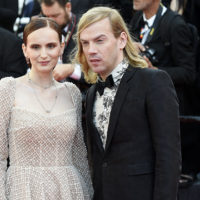
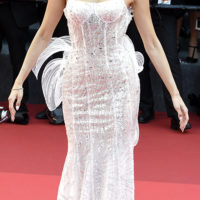
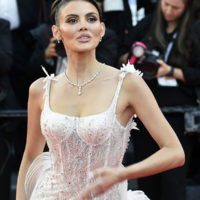
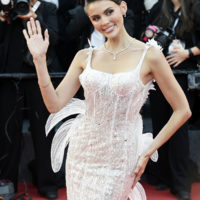
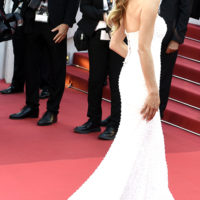
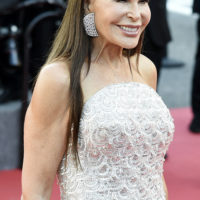
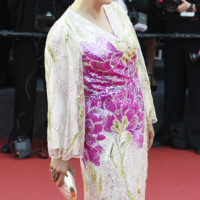
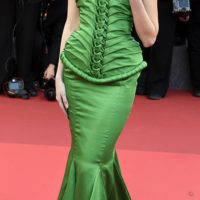
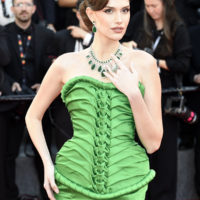
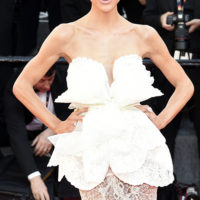
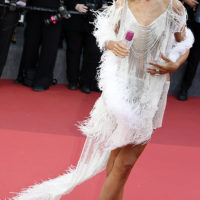
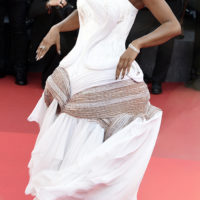
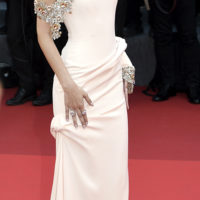
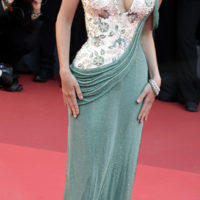
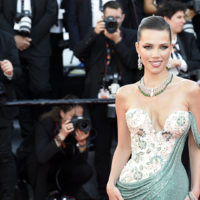
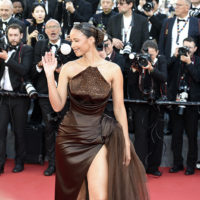
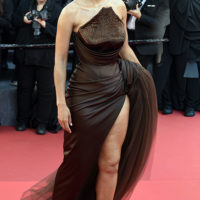
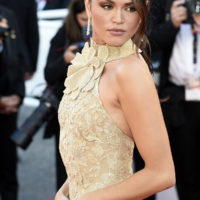
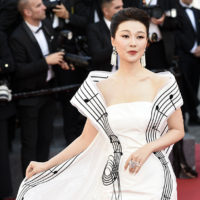
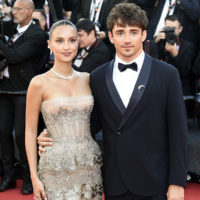
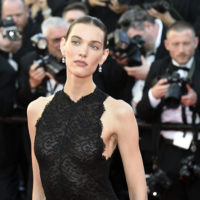
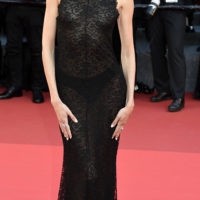
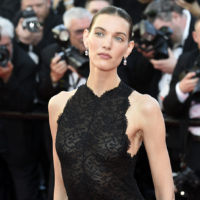
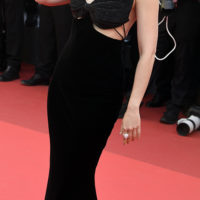
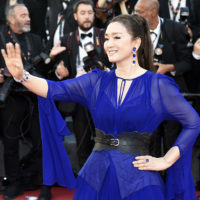
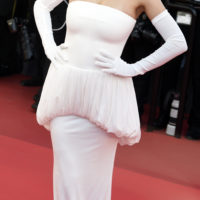
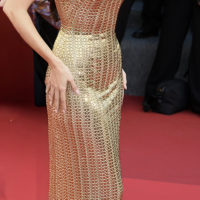
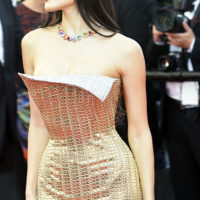
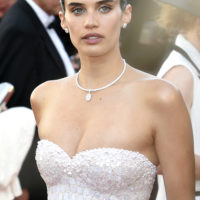
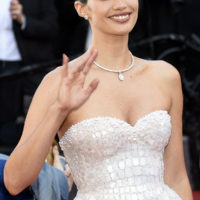
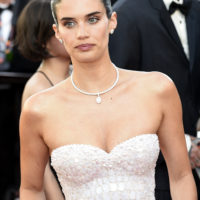
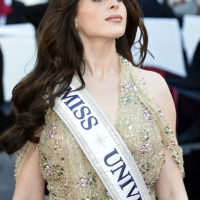
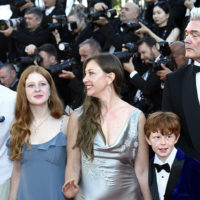
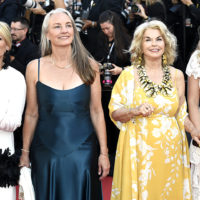
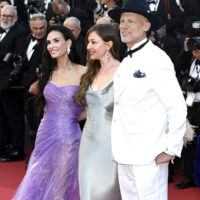
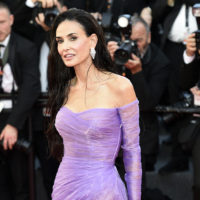
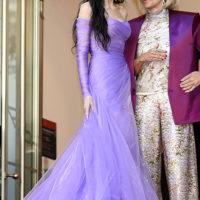
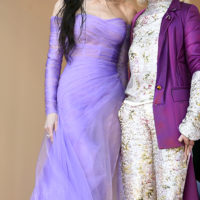
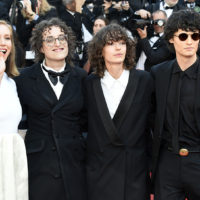
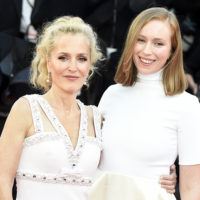
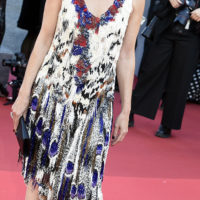
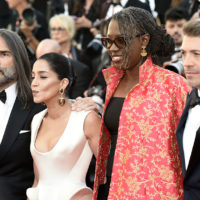
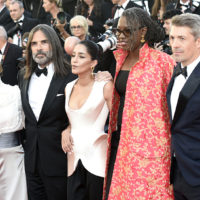
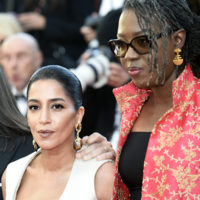
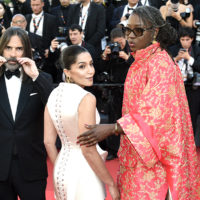
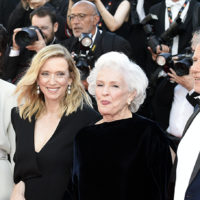
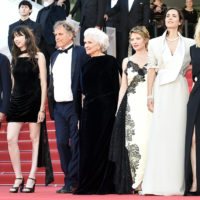
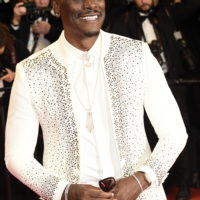
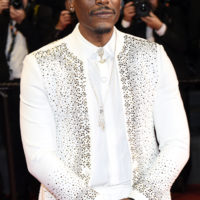
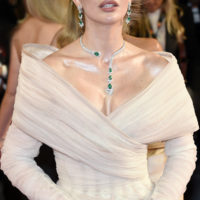
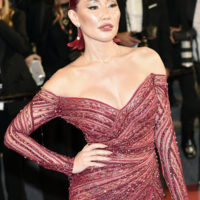
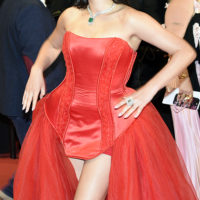
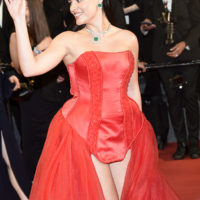
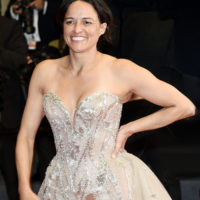
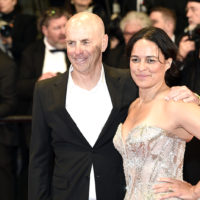
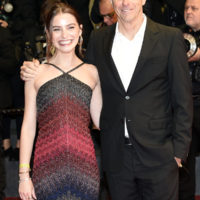
The “Montée des Marches” for A Woman’s Life and Fast & Furious
Click to enlarge – ©YesICannes.com – All rights reserved



































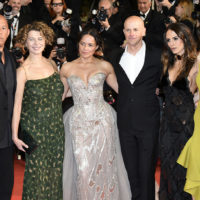
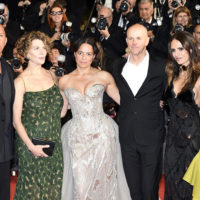
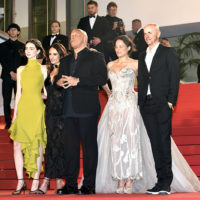
-
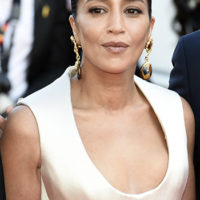
- ©YesICannes.com












Recent Comments