

©YesICannes.com
In the race for the Palme d’Or and the top prizes of the 2026 Cannes Film Festival: Ryūsuke Hamaguchi’s All of a Sudden and Marie Kreutzer’s Gentle Monster.
All of a sudden : The competition for the Palme d’Or and the main awards featured the screening of All of a Sudden by Ryūsuke Hamaguchi – marking a highly anticipated return to the Croisette for the Japanese director and screenwriter – and Gentle Monster by Austrian director and screenwriter Marie Kreutzer (following her success with Corsage in Un Certain Regard in 2022). Meanwhile, Guillaume Canet steps away from acting this time to direct Marion Cotillard in Karma (Out of Competition), despite their real-life separation…
Soudain ©DR
Ryūsuke Hamaguchi’s All of a Sudden
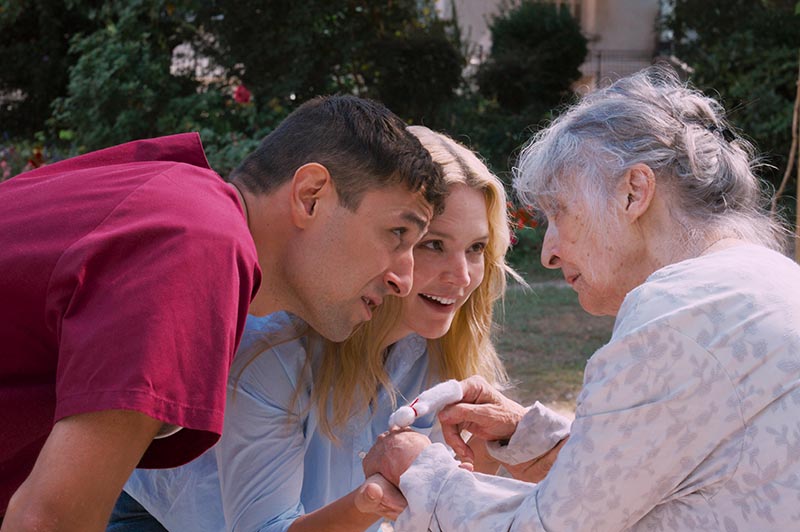
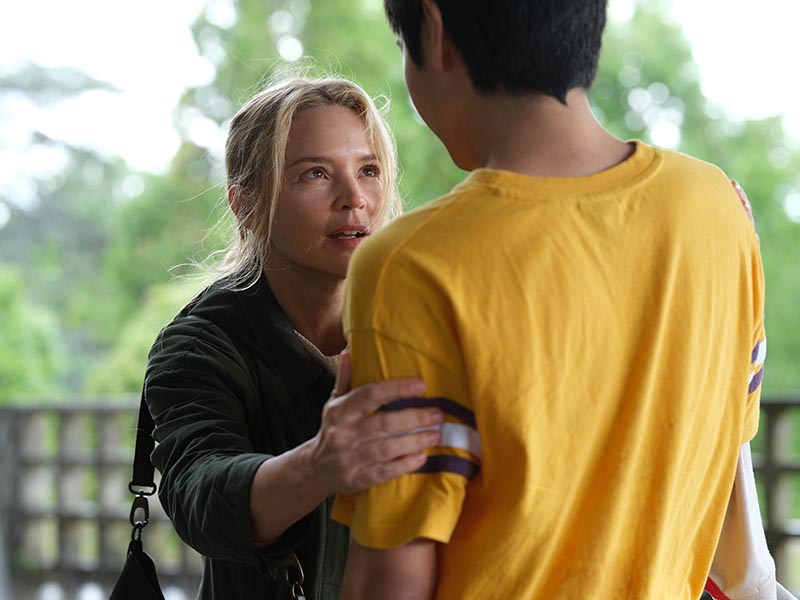
With All of a Sudden, Ryūsuke Hamaguchi continues his exploration of the invisible bonds that unite human beings, but this time shifts his gaze toward a territory rarely filmed with such delicacy: old age, care, and end-of-life support. In his first partial foray into France, the director of Drive My Car sets his camera in a suburban Parisian nursing home (EHPAD). Here, Marie-Lou, a committed director played by Virginie Efira, attempts to implement an approach based on “Humanitude” – a philosophy of care rooted in listening, gentleness, and the dignity of the residents. In this everyday world, so often reduced to social silence, Hamaguchi draws out a quiet but persistent emotion, nurtured by simple gestures, glances, and the long conversations that form the very heart of the narrative.
©DR
A Poignant Encounter Between Two Women
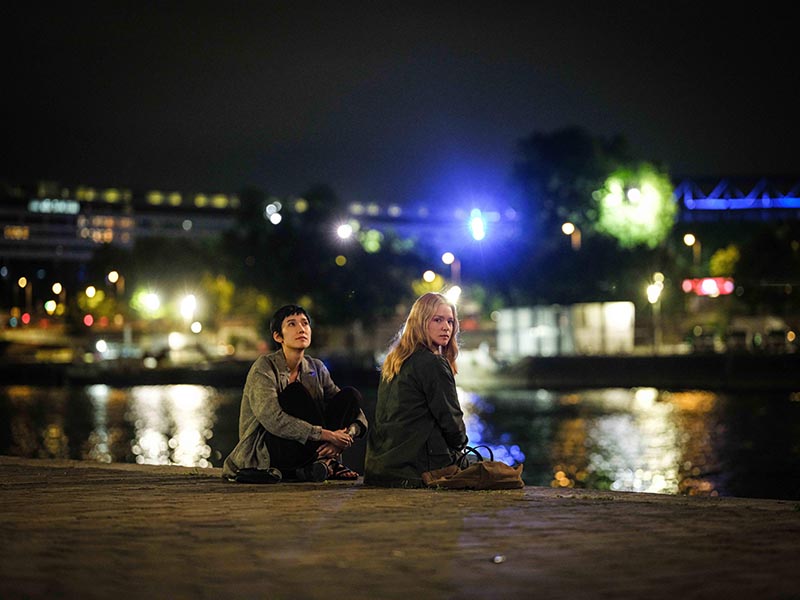
The arrival of Mari, a Japanese theater director suffering from cancer (played by Tao Okamoto), gradually disrupts the balance of the facility. Between the two women, a relationship blossoms that escapes usual narrative conventions: neither a medical drama nor a simple chronicle of friendship, All of a Sudden moves with a meditative slowness that embraces the rhythm of fragile bodies and contained emotions. Inspired by the documentary book Kyū ni guai ga waruku naru (co-authored by Maoko Miyano and Maho Isono), the film questions how language, listening, and presence can still create a bond when everything else seems to be slipping away. Faithful to his art of dialogue, Ryūsuke Hamaguchi films exchanges as spaces for inner revelation, letting silences breathe until they become a form of speech in themselves.
©DR
A Humanist Work Between Fiction and Reality
Perhaps the greatest uniqueness of All of a Sudden lies in its almost documentary dimension. The shoot took place within a real care facility, whose residents gradually became part of the film’s life. This porosity between fiction and reality gives the story a heartbreaking texture of truth. Supported by the luminous and organic cinematography of Alan Guichaoua, the direction rejects all demonstrative sentimentality. Hamaguchi prefers to observe beings in their most naked vulnerability, ultimately transforming a nursing home into a place of intimate resistance against erasure, in search or “turning impossible into possible” in a capitalistic world driven by money vs the human. In Cannes, All of a Sudden emerges as a deeply humanist work, where gentleness becomes a political act and where the fragility of bodies reveals, paradoxically, an immense life force.
Marion Cotillard ©YesICannes.com
Marie Kreutzer’s Gentle Monster
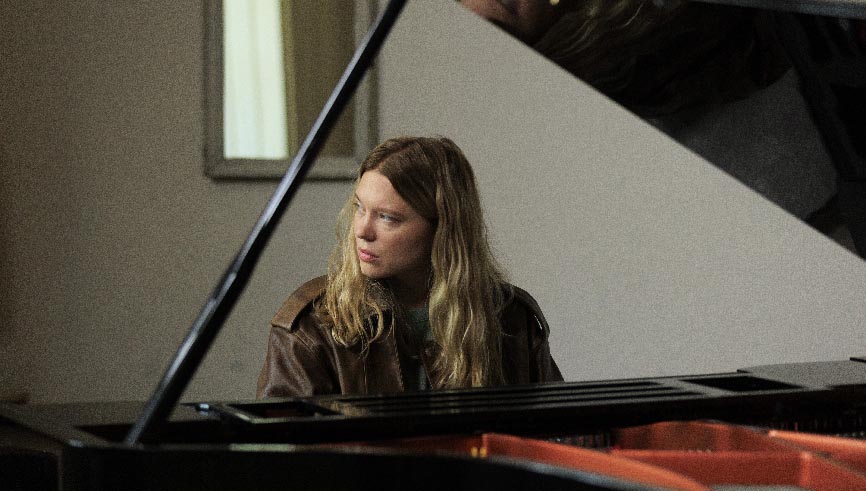
An intimate thriller at the heart of contemporary unease, Gentle Monster confirms Marie Kreutzer’s sharp eye for the invisible cracks in modern society. Following the subversive elegance of Corsage, the Austrian filmmaker radically shifts gears with a strikingly cold psychological drama. In a country house near Munich, Lucy and Philip seem to have built the perfect image of a modern, cultured European family. But when the police arrive at dawn to arrest Philip and seize his computers as part of an investigation into child sexual abuse material (CSAM), the film plunges into a zone of moral vertigo where nothing feels stable. Portrayed by Léa Seydoux, Lucy becomes the emotional center of a narrative that never seeks sensationalism, but instead dissects – with almost clinical precision – the intimate shock caused by the discovery of the unthinkable.
Gentle Monster ©Frédéric Batier – Film AG
Marie Kreutzer Films the Unspeakable Without Ever Showing It
One of the great strengths of Gentle Monster is Kreutzer’s absolute refusal to give in to explicit representation. Inspired by a major criminal case revealed in Germany and fueled by her own research with specialized units of the German police, the director constructs a high-tension film based entirely on what escapes the eye. The violence is never shown; it diffuses through silences, administrative procedures, interrupted conversations, and everyday details that suddenly become menacing. Opposite Lucy, the investigator Elsa – played by Jella Haase – brings a dry, methodical, almost documentary presence. Kreutzer films this world with a disturbing naturalism, reinforced by Judith Kaufmann’s subtle cinematography, while the soundtrack blends melancholic pop covers with German feminist rap, creating a jarring emotional contrast. Gentle Monster thus stands as one of the most uncomfortable and courageous films of the 2026 edition: a work that asks essential questions about power, denial, and the banality of evil, without ever pretending to provide simple answers.
Karma ©Iconoclast-Caneo-Pathe Films-M6 Films – Mid March Media
Guillaume Canet’s Karma
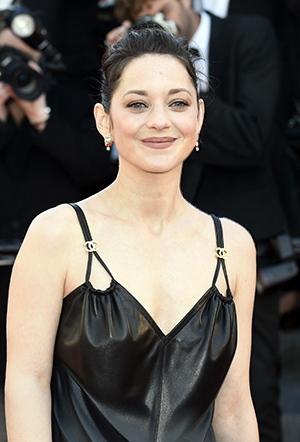
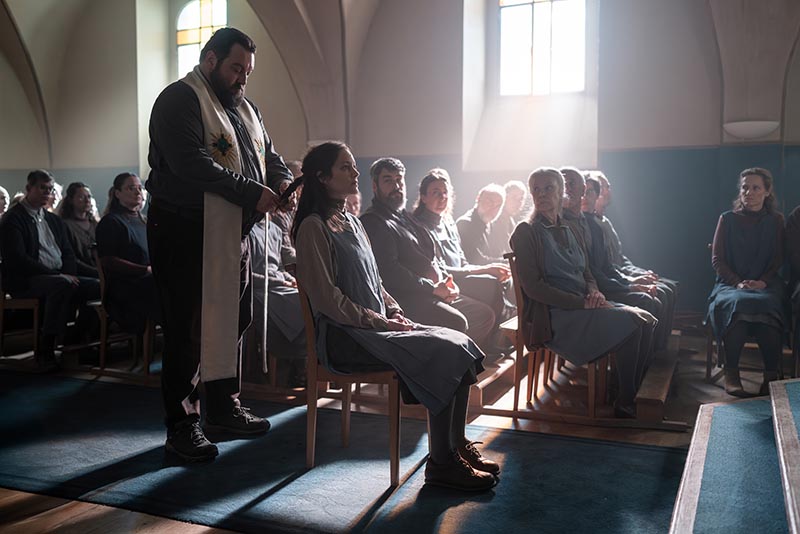
Screened Out of Competition at the Cannes Film Festival, Karma marks a darker turn in the filmography of Guillaume Canet, who this time steps behind the camera entirely to focus on a tense and twilight-toned direction. Filmed between Northern Spain and France, this psychological thriller follows Jeanne (Marion Cotillard), a woman haunted by an opaque past whose life is upended after the mysterious disappearance of her young godson. Suspected by the police, she flees to the isolated community where she grew up, led by an unsettling patriarch played by Denis Ménochet. Between guilt, psychological grip, and buried secrets, Canet composes a feverish tale where austere landscapes reflect a permanent inner tension. The magnetic presence of Leonardo Sbaraglia and Luis Zahera further heightens the murky atmosphere of this film, where the intimate gradually transforms into an emotional manhunt. Yet beyond its plot, Karma is also fascinating for what it symbolizes: just months after the announcement of their separation, Guillaume Canet and Marion Cotillard are reunited one last time through cinema, giving this melancholic work an added, almost unintentionally testamentary resonance.
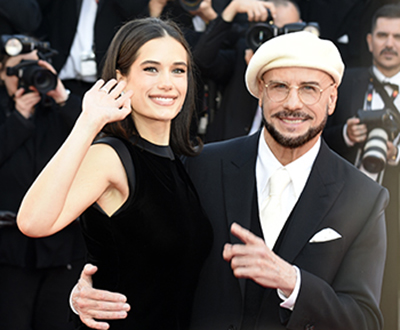
©YesICannes.com
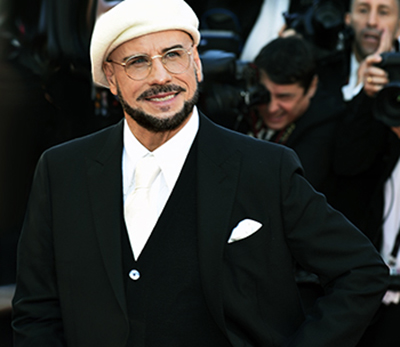
John Travolta ©YesICannes.com
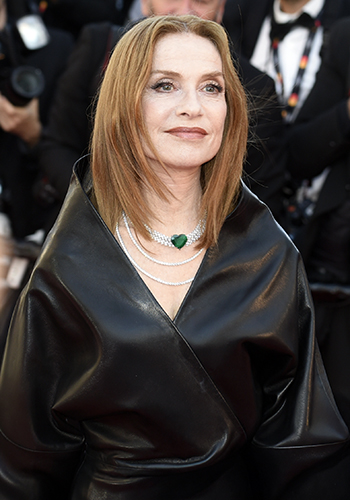
Isabelle Huppert ©YesICannes.com
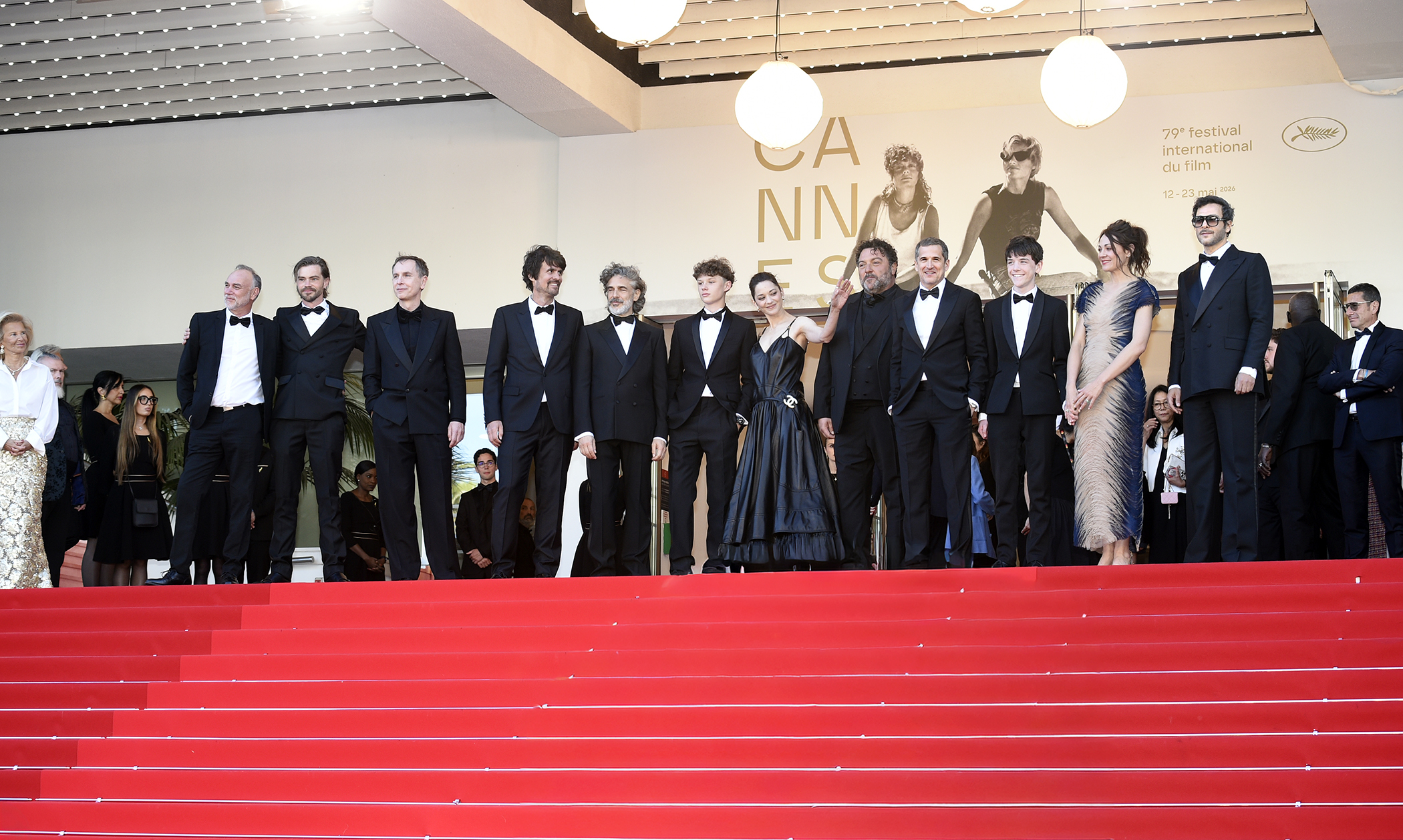
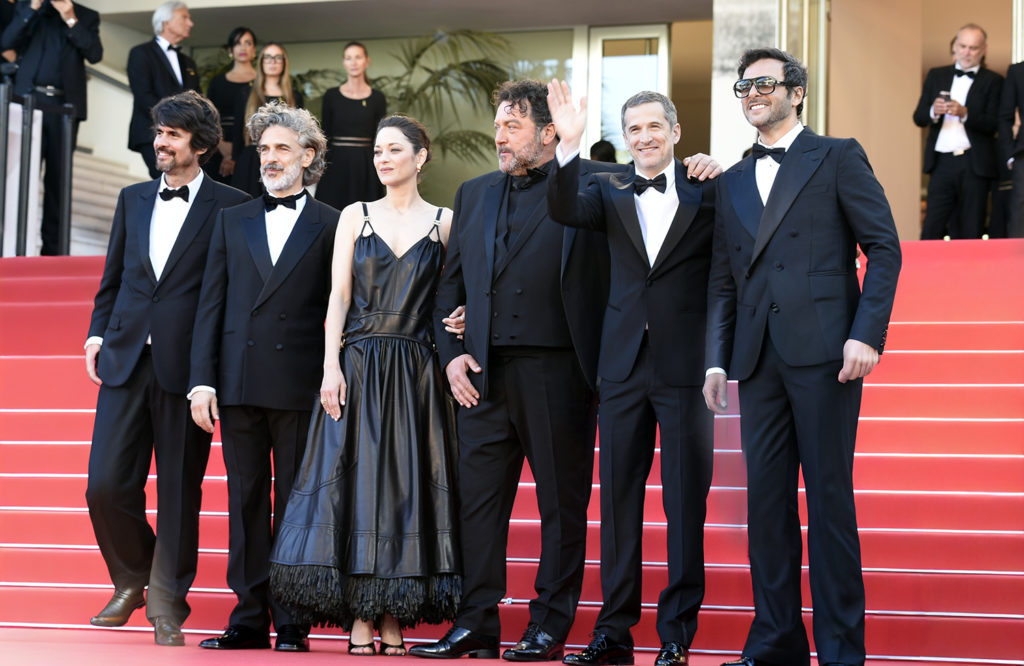
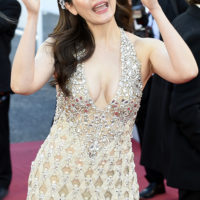
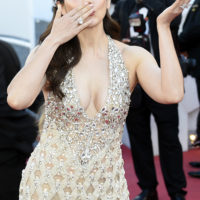
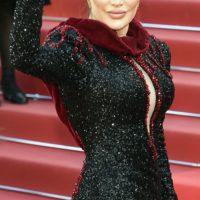
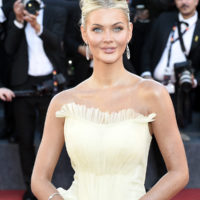
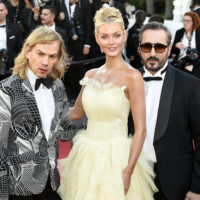
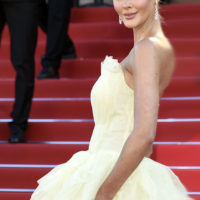
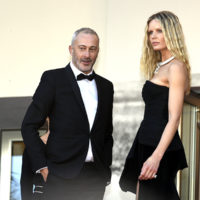
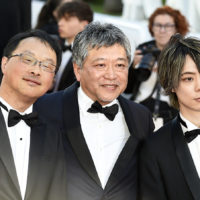
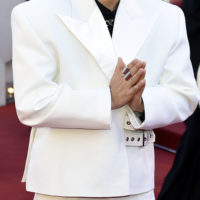
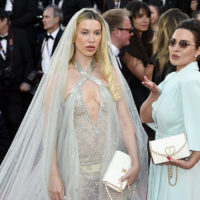
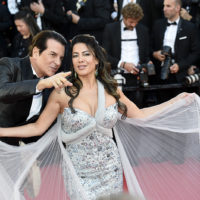
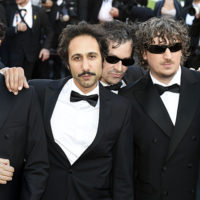
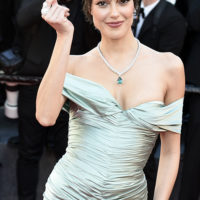
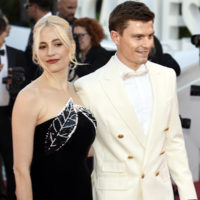
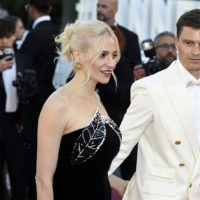
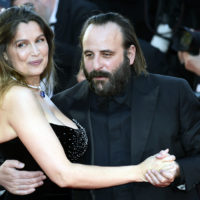
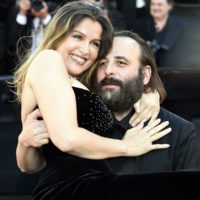
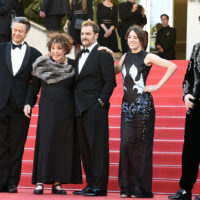
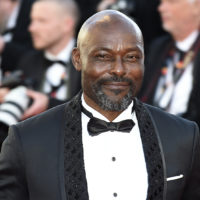
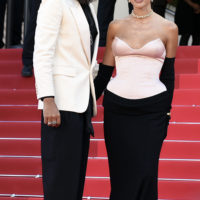
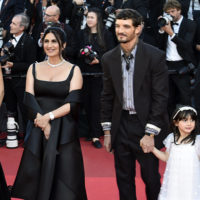
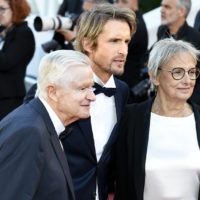
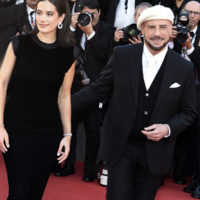
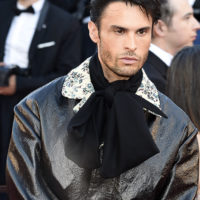
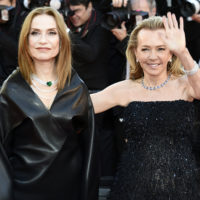
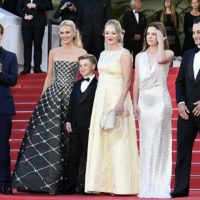
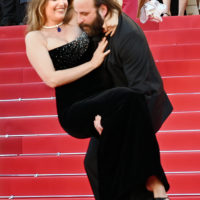
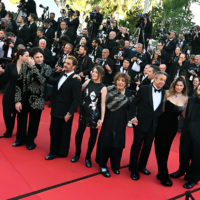
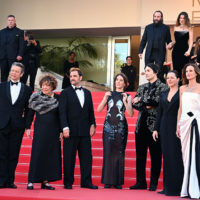
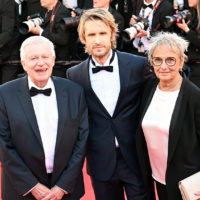
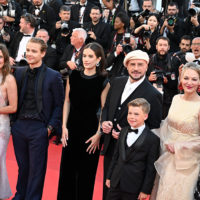
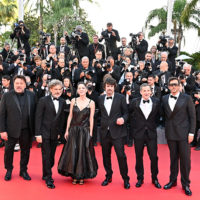
The “Montée des Marches” (Red Carpet) for Karma
Click to enlarge – ©YesICannes.com – All rights reserved












































Recent Comments