

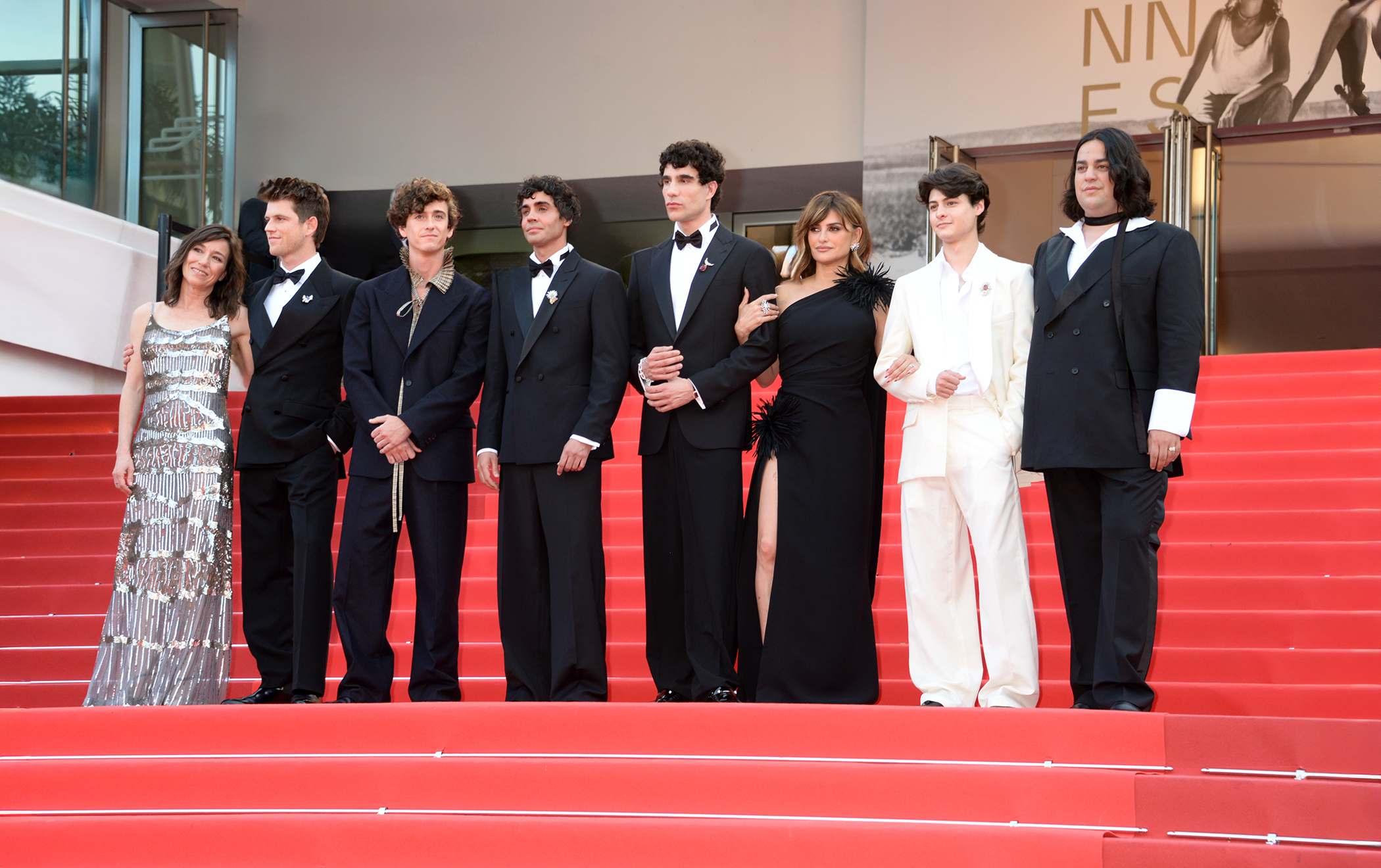
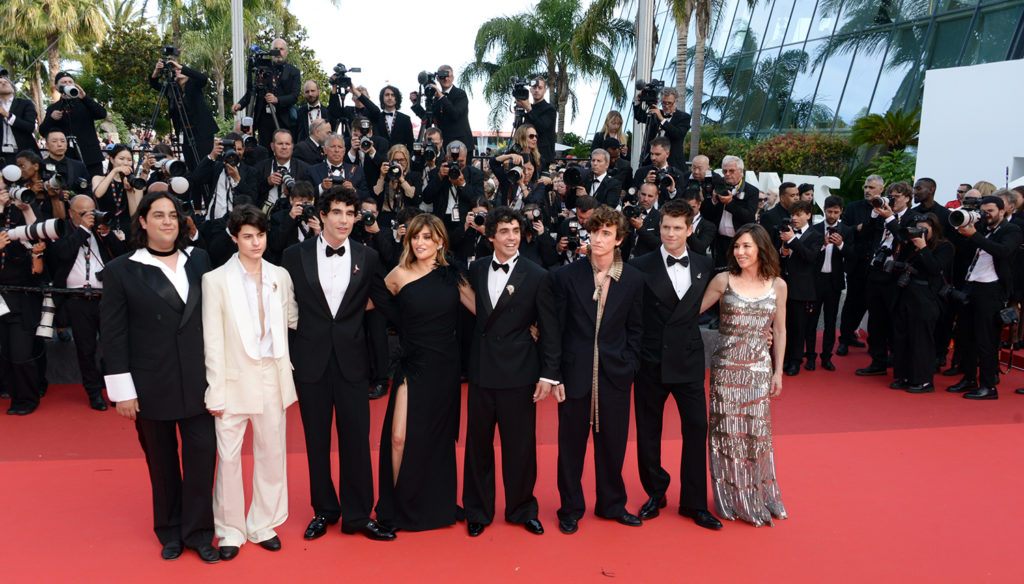
 As the competition draws to a close, the Cannes Film Festival presented La Bola Negra by Javier Calvo & Javier Ambrossi and Coward by Lukas Dhont.
La Bola Negra : The 79th Cannes Film Festival competition enters the home stretch with the screening of La Bola Negra by Madrid-based directors Javier Ambrossi and Javier Calvo – known as “Los Javis,” an influential Spanish queer couple who reportedly separated after a 13-year relationship. La Bola Negra marks their first time competing on the Croisette. Lukas Dhont, meanwhile, is a festival regular: his films Girl (Caméra d’Or and Queer Palm 2018) and Close (Grand Prix 2022) have firmly established his reputation.
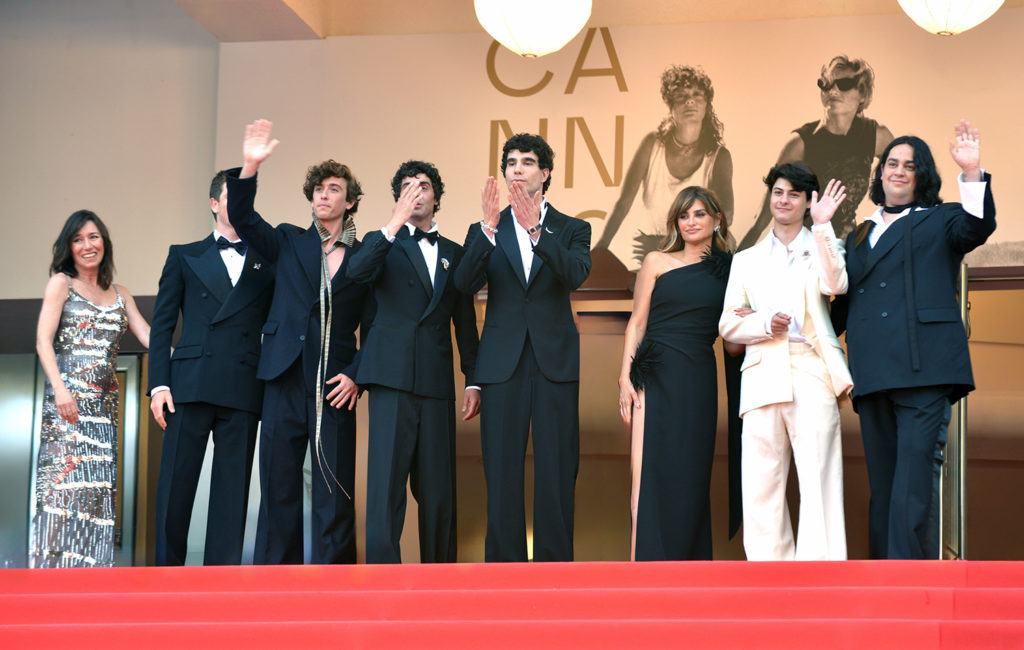
Javier Calvo & Javier Ambrossi’s La Bola Negra
In the Official Competition, La Bola Negra confirms “Los Javis” are entering a new cinematic dimension. With this fragmented fresco spanning Spain in 1932, 1937, and 2017, Javier Calvo and Javier Ambrossi abandon the pop-infused lightness of their early work to explore the buried scars of Spanish queer history. Inspired by the unfinished text of Federico García Lorca – who was assassinated after writing only four pages of La Bola Negra – the film weaves together the destinies of three men separated by time but linked by desire, shame, and memory. On the Croisette, the mystery still surrounding the narrative is already fueling intense discussion: does Lorca actually appear in the film, or only as a ghostly presence? The directors intentionally maintain the ambiguity, preferring to let his absence act as a diffuse wound running through every era. On screen, Guitarricadelafuente, Miguel Bernardeau, and Carlos González anchor this melancholic journey where generations seem to converse across the decades.
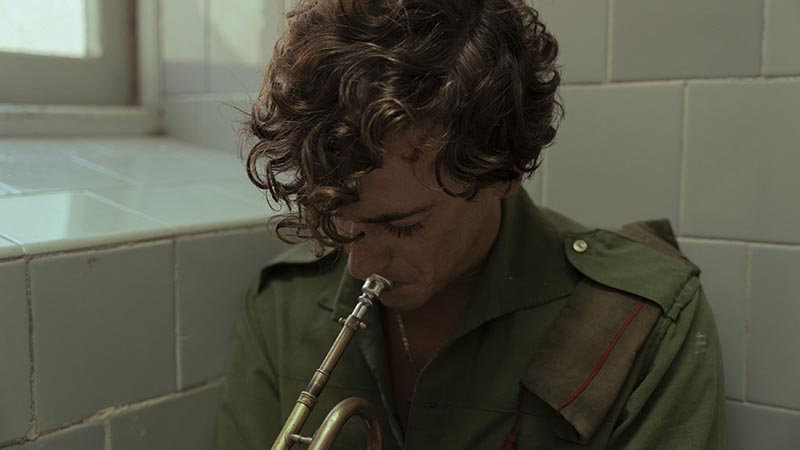
La Bola Negra ©DR
A Film Inhabited by Ghosts
La Bola Negra impresses most through its ability to blend aesthetic flamboyance with historical pain. Staying true to a universe where the sacred meets the kitsch, the two filmmakers inject vibrant colors, popular songs, and a feverish sensuality into this chronicle, all while allowing the shadow of Francoist repression and generational silence to loom. The influence of their self-proclaimed mentor, Pedro Almodóvar, surfaces in this capacity to transform melodrama into an incandescent political statement. Joining the young actors are Penélope Cruz, Glenn Close, and Lola Dueñas, whose magnetic presences lend the film a near-lyrical scope. Following the phenomenon of La Mesías, Los Javis have brought a more crepuscular work to Cannes, where the intimate becomes a territory of collective memory. It is a film inhabited by ghosts, yet pulsating with an irrepressible desire for life.
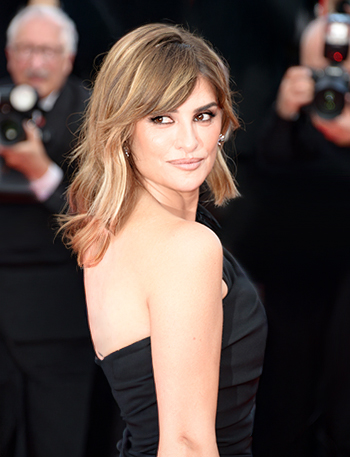
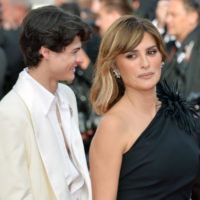
Penélope Cruz
Lukas Dhont’s Coward
Coward marks a spectacular turning point in the trajectory of Belgian filmmaker Lukas Dhont. After the intimate, sensory narratives of Girl and Close, the director ventures for the first time into the realm of the war film – without abandoning what makes his cinema so unique: a devastating attention to fragile bodies and silent emotions. The setting is 1916, on the Belgian front. Pierre, a young soldier eager to prove his worth, discovers a different world behind the lines thanks to Francis, an organizer of performances meant to boost troop morale. Between mud-drenched trenches and candlelit improvised stages, Coward explores a rarely filmed zone: the space where art, desire, and imagination become refuges against the absurdity of war. On the Croisette, many are already highlighting how Dhont subverts the codes of the classic military film to create a work about male vulnerability and the need for tenderness in the heart of chaos.
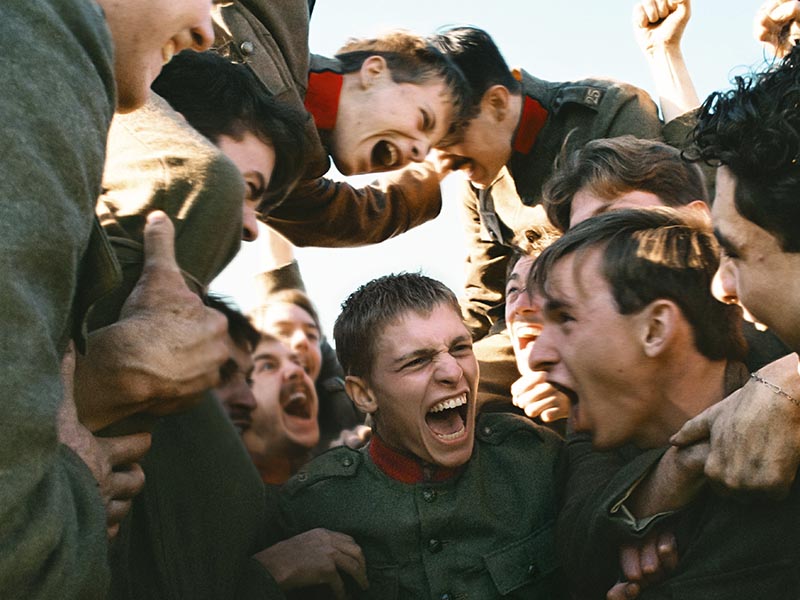
Coward ©DR
Courage Born from Moments of Fragility
Perhaps the most fascinating aspect of Coward lies in its refusal of heroic spectacle. Inspired by three years of research in the archives of the Imperial War Museum and various historical collections in Belgium and France, the film prefers tiny gestures to grand battles. Young Emmanuel Macchia embodies Pierre with raw intensity, while Valentin Campagne brings an almost unreal softness to Francis. True to his penchant for casting unknown faces, Lukas Dhont turns these emerging talents into Cannes revelations. But beyond the historical reconstruction, Coward speaks primarily to the present: to those masculinities trapped within injunctions of bravery, and to the possibility of inventing new narratives far from virile stereotypes. In Cannes, some already see it as one of the most moving films in the competition – a war poem where courage is, paradoxically, born in moments of fragility.
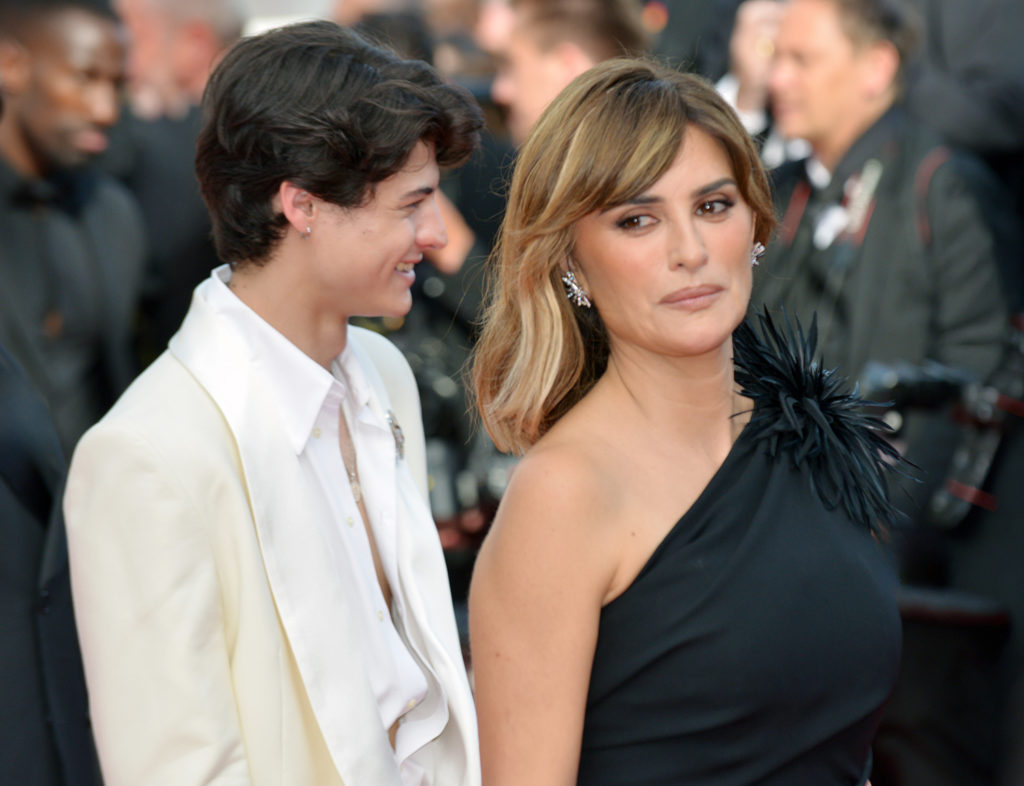
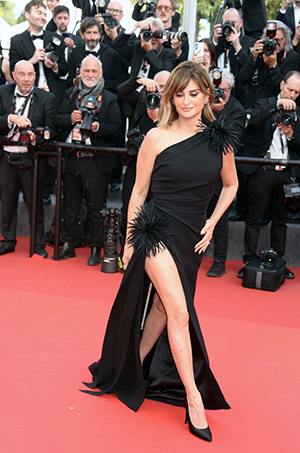
Penélope Cruz
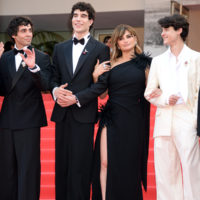
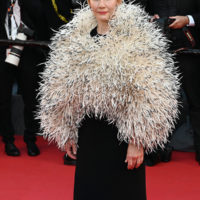
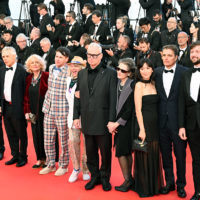
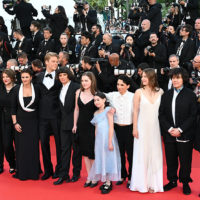
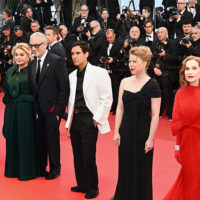
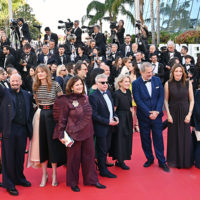
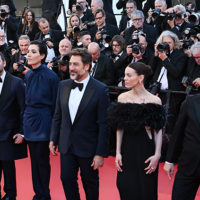
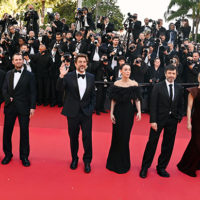
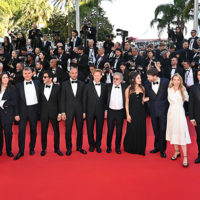
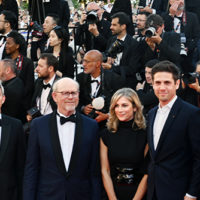
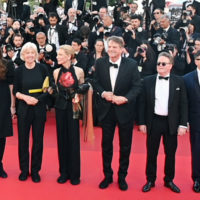
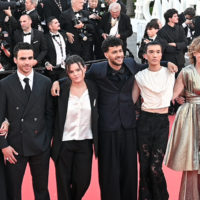
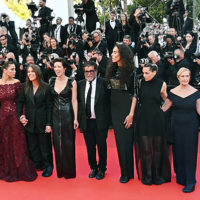
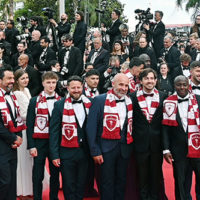
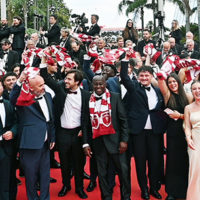
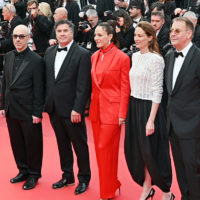
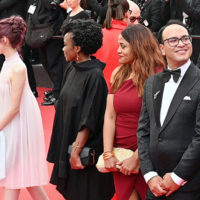
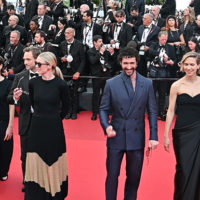
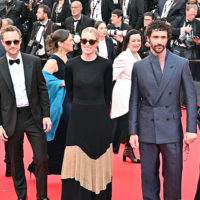
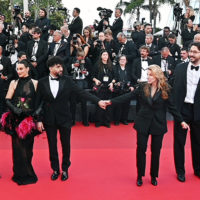
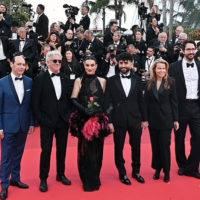
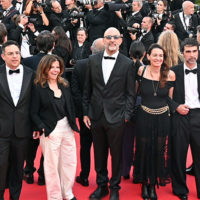
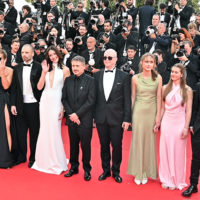
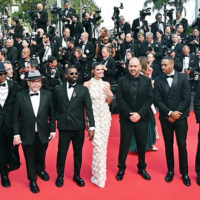
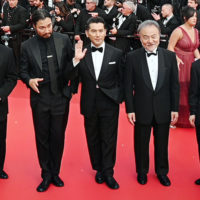
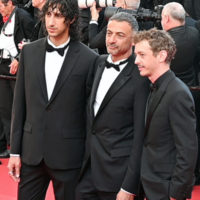
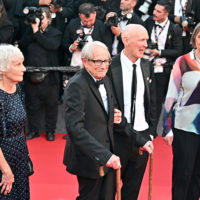
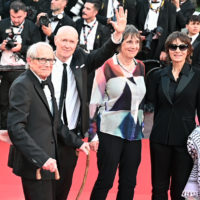
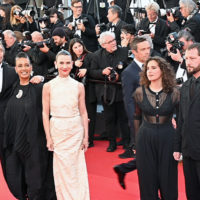
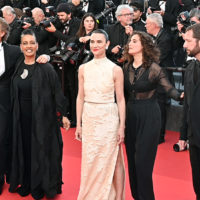
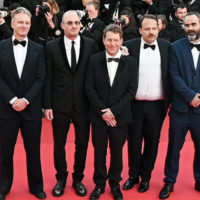
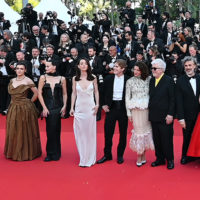
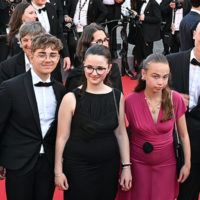
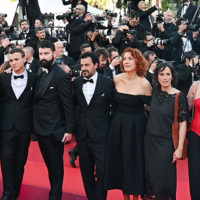
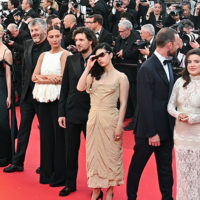
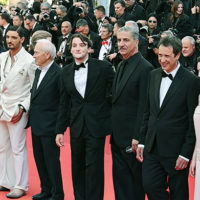
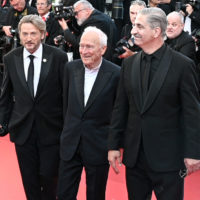
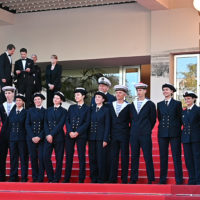
The “Montée des Marches” (Red Carpet)
Click to enlarge – ©YesICannes.com – All rights reserved












Recent Comments