

©YesICannes.com
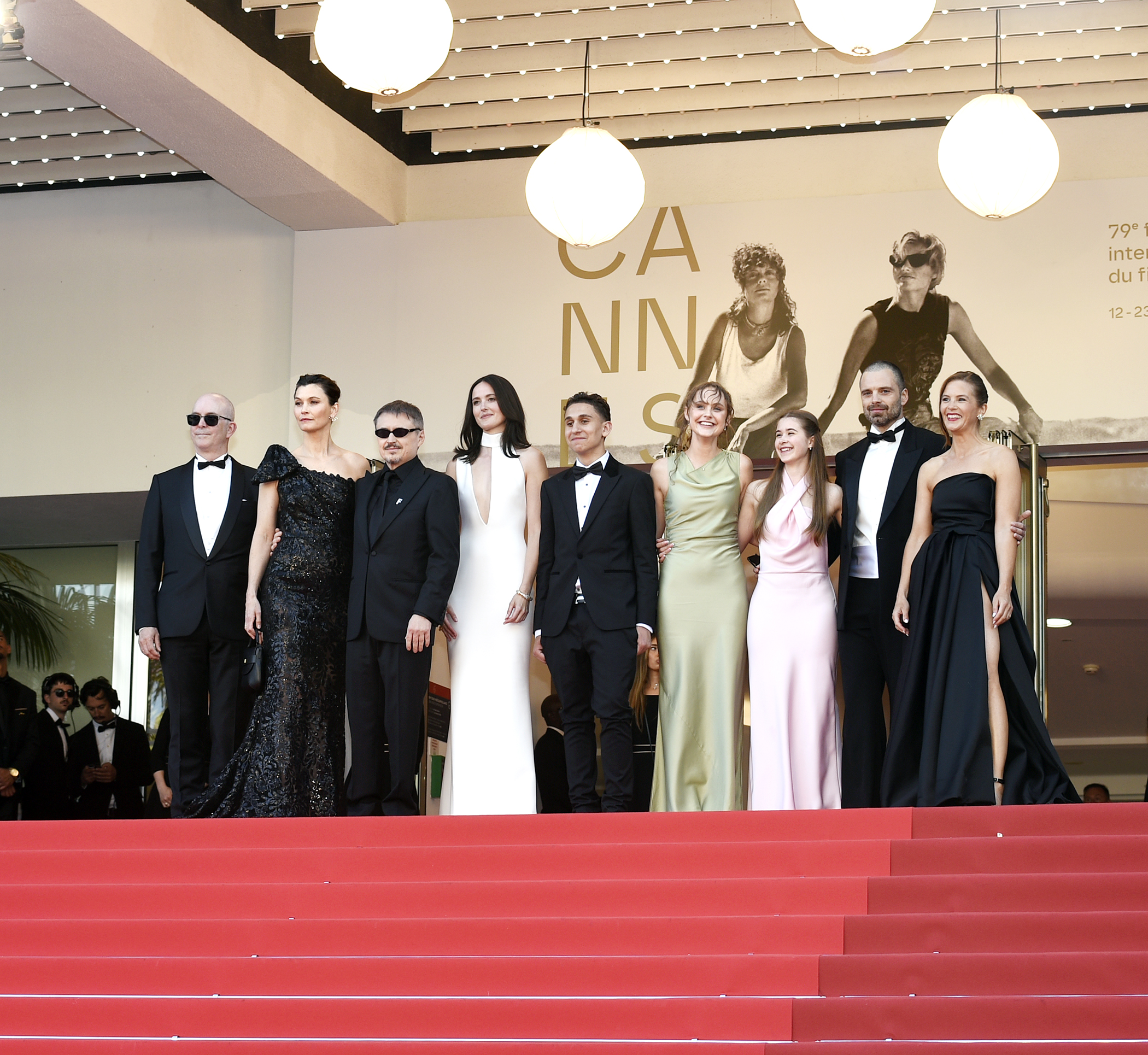
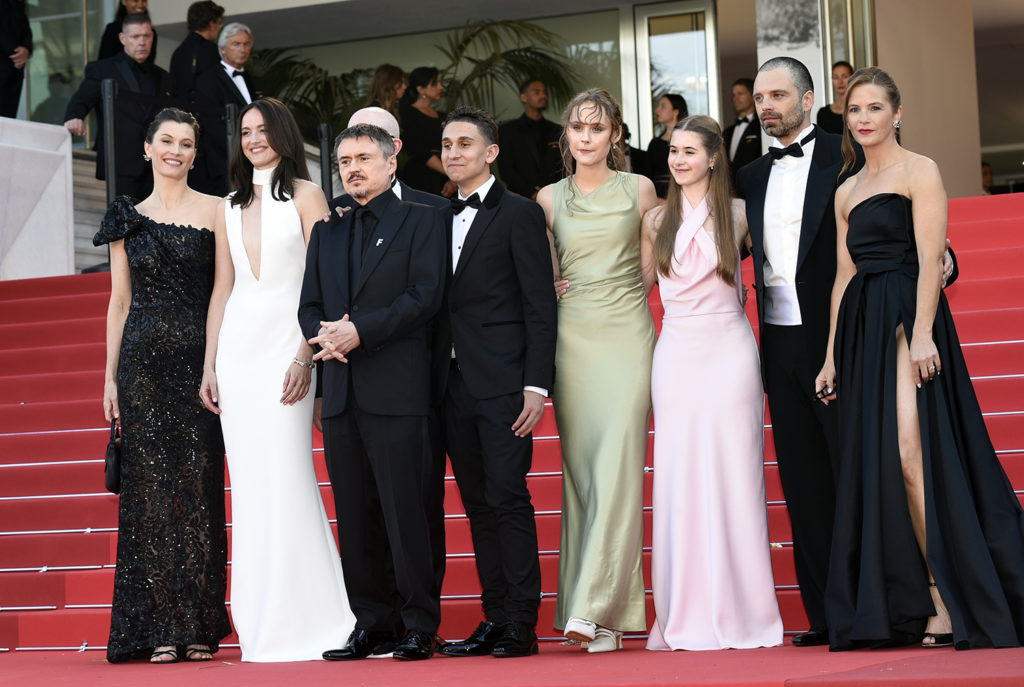
Entering its second half, the 2026 Cannes Film Festival presented Arthur Harari’s The Unknown (L’Inconnue) and Cristian Mungiu’s Fjord.
The Unknown : The Cannes Film Festival competition enters its second half with the screenings of The Unknown (L’Inconnue), the Croisette’s mystery film by French director, screenwriter, and actor Arthur Harari. Meanwhile, the Romanian director, screenwriter, and producer Cristian Mungiu – who already won the Palme d’Or in 2007 – brought his new film, Fjord, to the Croisette for its world premiere.
©YesICannes.com
The Unknown: An Entity Makes Its Entrance on the Croisette
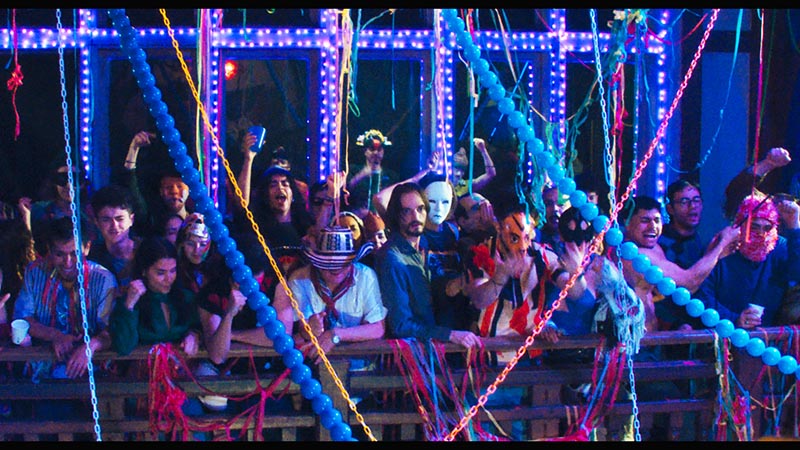
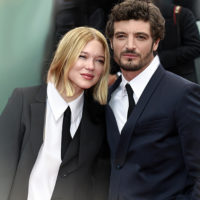
Among the most discussed works in the official competition of the Cannes Film Festival, The Unknown (L’Inconnue) is already establishing itself as a singular experience. Following the hypnotic epic Onoda and his work as a co-screenwriter on Anatomy of a Fall (Palme d’Or 2023), Arthur Harari delivers a film that is as conceptual as it is deeply organic, adapted from the graphic novel by his brother, Lucas Harari. The premise is dizzying: David Zimmerman, a self-effacing photographer approaching his forties, follows a woman he spots at a party, only to wake up inside her body a few hours later. Yet, far from the playful tropes of a “body-switch” movie, Harari transforms this fantastical shift into a sensory and existential drift of unsettling credibility. On screen, Léa Seydoux and Niels Schneider form a spectral duo whose identities seem to bleed into each other to the point of erasure. In Cannes, festival-goers are already describing it as a fascinating labyrinthine film – as disturbing as it is hypnotic – that toys with the gaze of the spectator just as it does with that of its protagonists, who fall victim to a “predatory entity” that moves from body to body.
L’inconnue ©DR
An Identity Thriller Pierced by the Anxiety of the Gaze
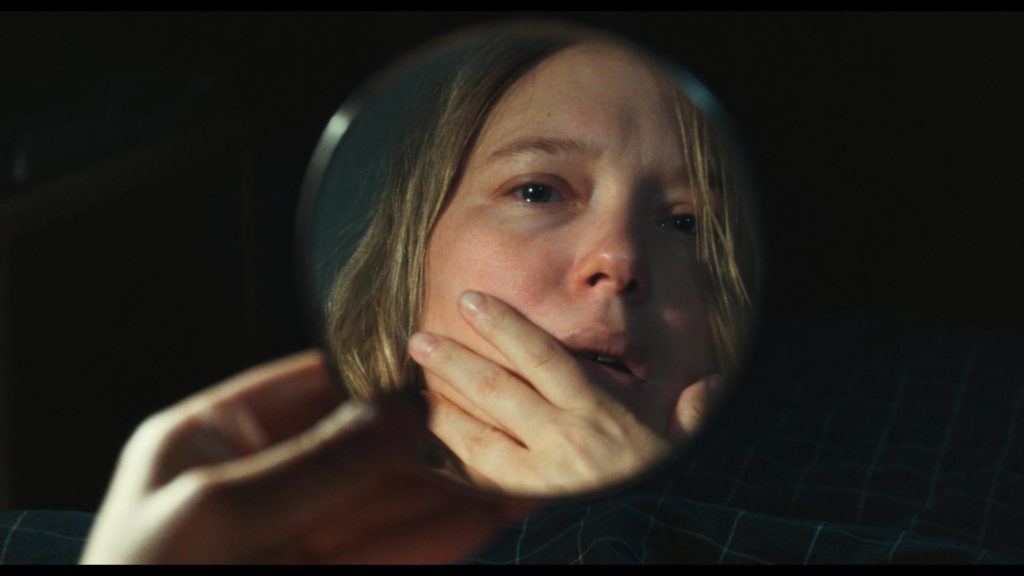
What fascinates in The Unknown is how Arthur Harari subverts the codes of the fantasy genre to directly interrogate the male gaze, desire, and the construction of identity. The filmmaker maintains an almost obsessive realism: everything in the direction aims to make the impossible credible, as if this metamorphosis could genuinely happen during a random Parisian night. This pursuit of verisimilitude creates a sense of the uncanny rarely achieved in contemporary French cinema. The camera lingers on bodies, gestures, and breathing, but also on the silences and minute shifts that arise when a man suddenly discovers the world through a woman’s body. The film thus becomes a dizzying reflection on the male gaze – on how women are observed, fantasized about, or trapped within masculine projections. As the narrative progresses, David seems to lose all inner stability, absorbed by an identity that eludes him and ultimately calls his very existence into question.
©DR
The City as a Mirror of Human Metamorphosis
Beyond the psychological turmoil, The Unknown also impresses with its urban and almost architectural dimension. Arthur Harari films city neighborhoods as living organisms in perpetual mutation, whose transformations mirror those of his characters. Heir to a sensory and melancholic tradition of cinema, he captures the suburbs, peripheral zones, and spaces “on disappearance” with a muted emotion, nurtured by his own childhood memories. Within its anonymous streets, buildings under demolition, and landscapes gnawed away by the erosion of time, Paris and its suburbs become a mental territory where identities slowly dissolve. This attention to location gives the film an unexpected depth: behind the fantasy thriller lies a meditation on what disappears – bodies, neighborhoods, memories, and certainties. With this unsettling work set on the borders of a waking dream, Harari confirms his status as a major filmmaker of his generation, capable of using the fantastic as an intimate and deeply contemporary tool.
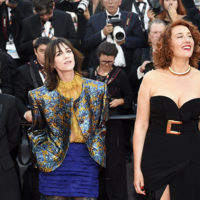
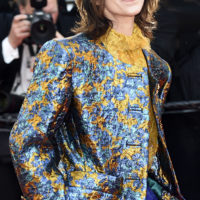
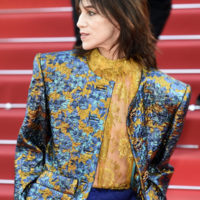
Charlotte Gainsbourg ©YesICannes.com
Cristian Mungiu’s Fjord
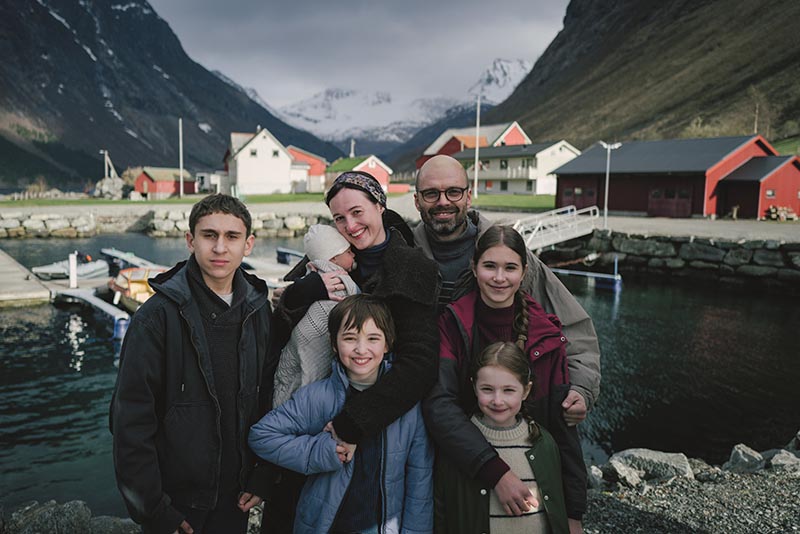
Amidst the mineral silence of the Norwegian landscapes, Cristian Mungiu orchestrates Fjord, one of the most tense and elegant dramas in the Cannes Film Festival’s Official Competition. Nineteen years after winning the Palme d’Or for 4 Months, 3 Weeks and 2 Days, the Romanian filmmaker returns to the Croisette with a work of hypnotic coldness that dissects the invisible fractures between tradition, integration, and societal judgment. Settled in an isolated village on the edge of a fjord, the Gheorghius, a deeply religious Romanian-Norwegian couple, seem to have found a sense of balance alongside their neighbors, the Halberg family. However, when teachers discover bruises on their eldest daughter’s body, the fragile veneer of this Nordic coexistence begins to crack. True to his brand of moral tension, Mungiu transforms an apparently mundane occurrence into a dizzying collective trial where everyone becomes the other’s judge. Behind sublime landscapes bathed in an icy light, Fjord unearths a muted, almost invisible violence fueled by cultural differences, religion, and contemporary anxieties surrounding family upbringing.
Fjord ©DR
A Cinema of Doubt and Ambiguity
In Cannes, many view Fjord as a natural extension of Cristian Mungiu’s body of work: a cinema of doubt and ambiguity, where no single truth completely dominates. The director recaptures what has always been his core strength since Occident, Beyond the Hills, or Graduation: observing how social systems gradually crush the most vulnerable individuals. The presence of Renate Reinsve, a global breakout star since The Worst Person in the World, brings a quiet yet magnetic emotional intensity to the film. Through its minimalist direction and long silences fraught with anxiety, Fjord explores how supposedly open modern societies can plunge into suspicion and exclusion. On the Croisette, the film impresses as much with its formal mastery as with its capacity to transform an intimate conflict into a universal reflection on family, faith, and the gaze communities cast upon those they still perceive as outsiders.
©YesICannes.com
©YesICannes.com
©YesICannes.com
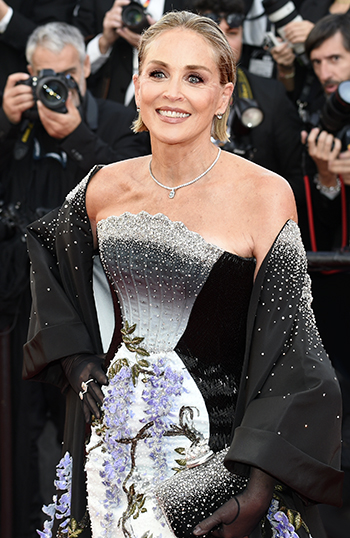
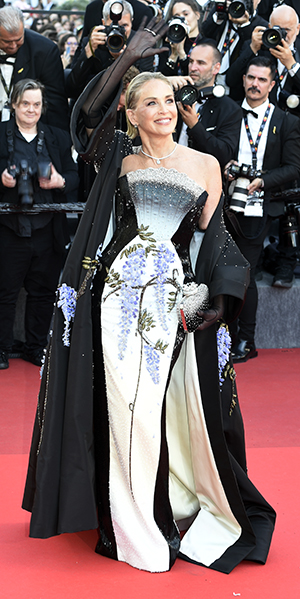
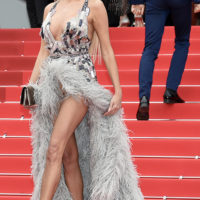
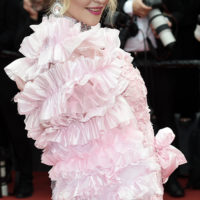
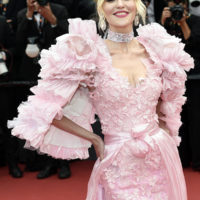
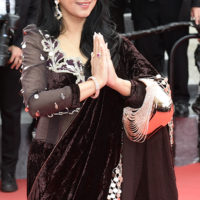
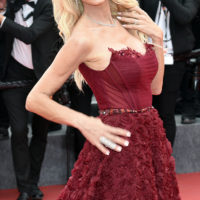
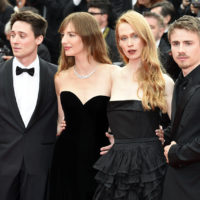
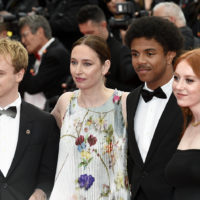
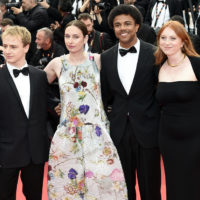
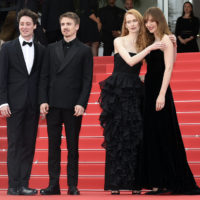
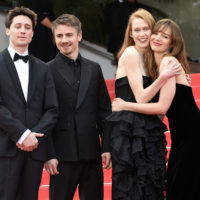
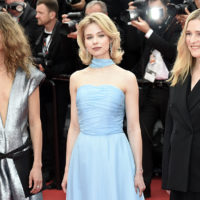
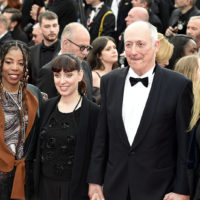
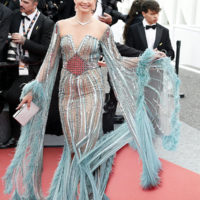
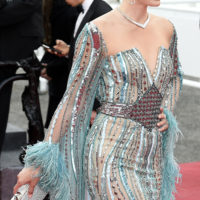
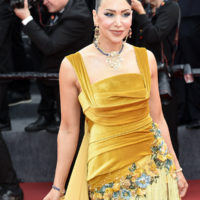
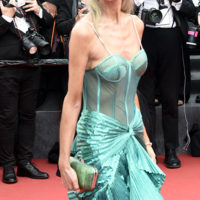
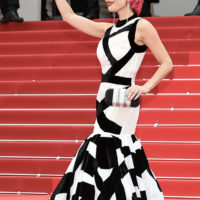
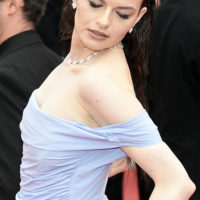
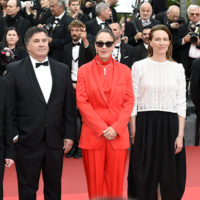
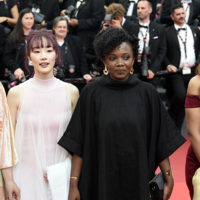
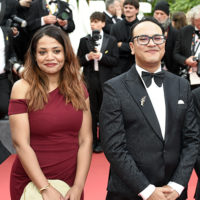
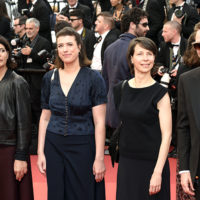
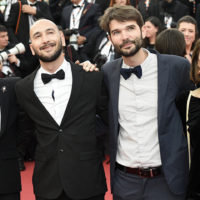
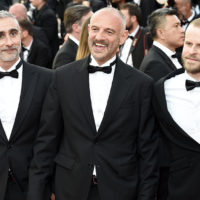
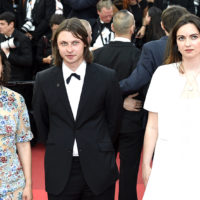
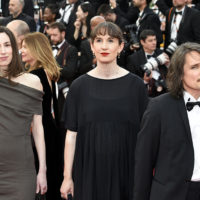
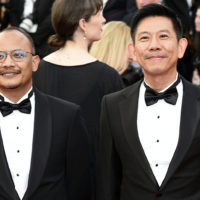
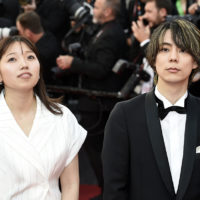
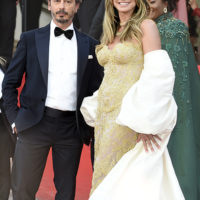
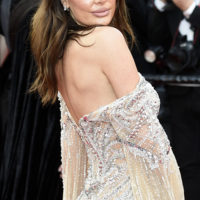
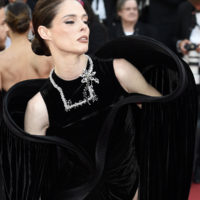
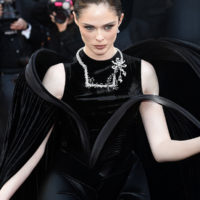
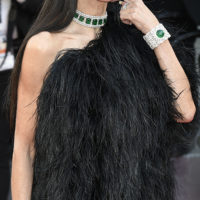
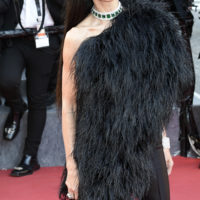
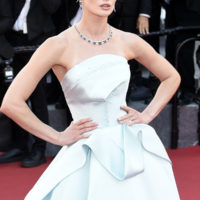
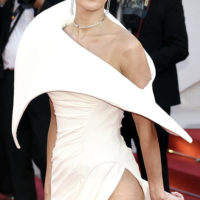
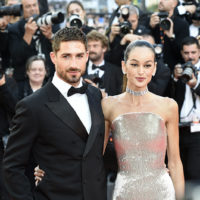
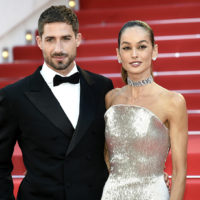
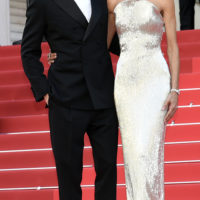
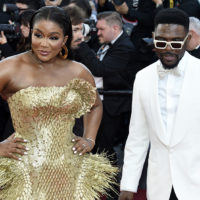
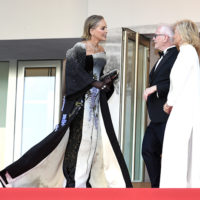
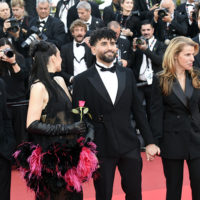
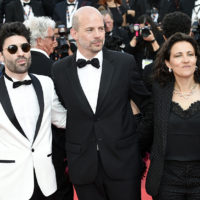
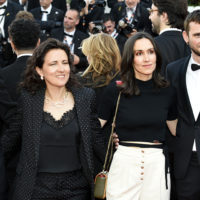
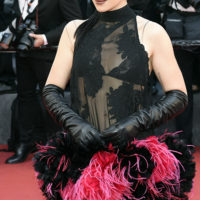
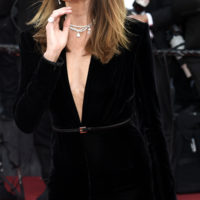
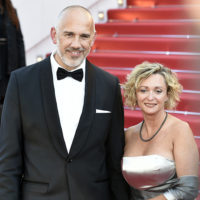
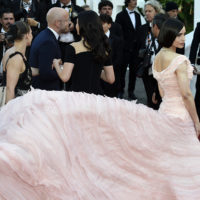
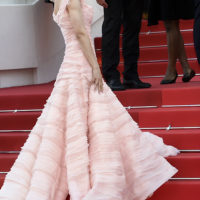
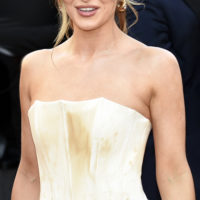
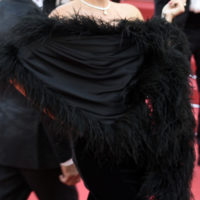
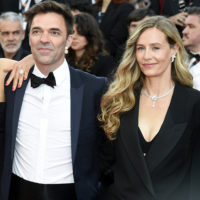
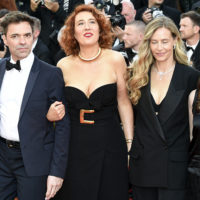
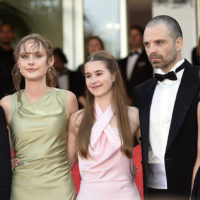
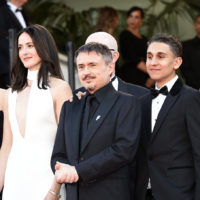
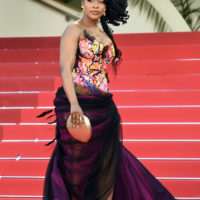
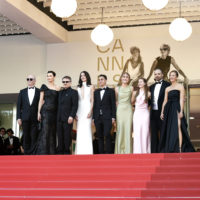
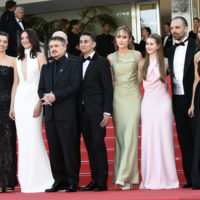
The “Montée des Marches” (Red Carpet) for Fjord
Click to enlarge – ©YesICannes.com – All rights reserved
































-

- ©YesICannes.com

-
- ©YesICannes.com
-
- ©YesICannes.com







Recent Comments